

Every child develops at their own pace, but when developmental milestones are delayed or concerns begin to emerge, early support can make a meaningful difference. Early intervention services are designed to help infants, toddlers, and young children build essential skills during the most important years of development. For families in Jacksonville and Northeast Florida, understanding when to seek help and what services are available can feel overwhelming. This guide explains everything you need to know about early intervention services, including speech therapy, occupational therapy, feeding therapy, social development support, and how to access care.
What Is Early Intervention?
Early intervention refers to specialized therapeutic services designed to support young children who may be experiencing developmental delays, communication challenges, sensory processing difficulties, feeding concerns, social challenges, or other developmental needs.
At Bloom Behavioral Solutions, our Early Intervention Program provides individualized support tailored to each child’s unique strengths and challenges in a nurturing, play-based environment.
Why Early Intervention Matters
The first few years of life are a critical period for communication, movement, sensory processing, feeding, social interaction, emotional regulation, and learning. When concerns are identified early, children can receive targeted support that helps build confidence, independence, and stronger daily routines.

Signs Your Child May Benefit from Early Intervention Services
- Delayed speech or language development
- Difficulty following directions
- Limited eye contact or social interaction
- Challenges with transitions or emotional regulation
- Sensory sensitivities
- Picky eating or feeding difficulties
- Delayed motor skills
- Difficulty engaging with peers
- Challenges with daily routines and independence
Occupational Therapy for Children
Occupational Therapy helps children develop the skills needed for everyday activities, including fine motor development, sensory processing, self-care skills, attention, regulation, play skills, motor planning, and coordination.
Speech and Language Therapy
Speech Therapy helps children improve their ability to understand and use language while building confidence in communication. Speech-language pathologists may support expressive language, receptive language, articulation, social communication, and speech sound development.
Feeding Therapy and Mealtime Support
Feeding challenges are more common than many parents realize. Children may experience food aversions, limited food variety, oral motor difficulties, sensory sensitivities, or stress surrounding meals.
Feeding Therapy focuses on helping children build positive relationships with food while developing the skills necessary for more successful mealtimes.
Bloom Behavioral Solutions is also helping advance the field through the Bloom Feeding Institute, which provides advanced education and training opportunities for clinicians seeking to expand their expertise in pediatric feeding therapy.

Social Development and Group Learning Opportunities
Social development is a critical part of early childhood growth. Through structured play, peer interaction, and guided social experiences, children can build skills related to communication, cooperation, emotional regulation, and friendship development.
A Collaborative Approach to Child Development
Many children benefit from a multidisciplinary approach that combines multiple therapies. Occupational therapists, speech-language pathologists, feeding specialists, behavioral professionals, and families often work together to support a child’s overall development.
Areas We Serve
Bloom Behavioral Solutions serves families throughout Northeast Florida, including Jacksonville, Jacksonville Beach, Atlantic Beach, Neptune Beach, Ponte Vedra Beach, Nocatee, St. Johns County, Nassau County, and surrounding communities.
Learn more about our service areas and locations.

Frequently Asked Questions About Early Intervention Services
What age should a child start early intervention?
The earlier concerns are identified, the earlier support can begin. Many children benefit from services during infancy, toddlerhood, and preschool years.
How do I know if my child needs therapy?
If you have concerns about communication, feeding, sensory processing, social skills, motor development, or behavior, an evaluation can help determine appropriate next steps.
Can my child receive more than one therapy service?
Yes. Many children benefit from receiving occupational therapy, speech therapy, feeding therapy, or other services simultaneously based on their individual needs.
Do parents participate in therapy?
Family involvement is often an important part of the therapeutic process. Parent education and collaboration help support skill development beyond therapy sessions.
How long does early intervention last?
The length of services varies based on each child’s goals, needs, and progress. Treatment plans are individualized and regularly reviewed.

Getting Started with Early Intervention Services in Jacksonville
If you have questions about your child’s development, taking the first step can make all the difference. Early support provides opportunities to strengthen communication, independence, confidence, social engagement, and daily living skills during critical developmental years.
To learn more about Bloom Behavioral Solutions, Request Services or Schedule a Tour to meet our team and explore the programs available for your family.
Explore Additional Services
- Pediatric Feeding Therapy
- Feeding Therapy Training for Clinicians
- Early Intensive Intervention Program
- Occupational Therapy
- Speech Therapy
- Areas We Serve
- Request Services
- Schedule a Tour
Pediatric feeding disorders and selective eating challenges are becoming increasingly recognized as complex conditions that require specialized knowledge, interdisciplinary collaboration, and evidence-based intervention. As awareness grows among healthcare providers and families alike, so does the demand for clinicians who possess advanced feeding therapy skills.
To help meet this need, Bloom Behavioral Solutions has launched the Bloom Feeding Institute, a comprehensive training and professional development platform designed to bridge the gap between feeding science, behavior analysis, nutrition, and therapeutic intervention. The institute provides clinicians with practical, evidence-informed education that can be immediately applied to real-world feeding challenges while supporting better outcomes for children and families.

Why Feeding Disorders Require Specialized Training
Feeding difficulties affect children across a wide range of developmental, medical, sensory, and behavioral backgrounds. While many people associate feeding challenges with picky eating, the reality is often far more complex.
Children may experience:
- Pediatric feeding disorders (PFD)
- Avoidant Restrictive Food Intake Disorder (ARFID)
- Food refusal
- Extreme food selectivity
- Sensory-based feeding difficulties
- Oral-motor challenges
- Difficulty transitioning to solid foods
- Nutritional deficiencies
- Mealtime anxiety and behavioral concerns
Research and clinical experience continue to demonstrate that feeding disorders often involve multiple contributing factors, including medical, developmental, sensory, behavioral, and family-system variables. Effective treatment requires clinicians who understand how these factors interact and how to develop individualized intervention plans.
Unfortunately, many clinicians receive limited formal training in pediatric feeding during their academic programs. This often leaves professionals searching for advanced education that goes beyond theory and provides practical clinical tools.
The Mission Behind the Bloom Feeding Institute
The Bloom Feeding Institute was created to address this growing need by offering structured, evidence-based education designed specifically for clinicians who want to expand their feeding therapy expertise.
The institute focuses on helping practitioners confidently assess and treat pediatric feeding disorders while integrating perspectives from multiple disciplines. Rather than approaching feeding challenges from a single lens, the Bloom Feeding Institute emphasizes a collaborative model that incorporates behavior science, nutrition, occupational therapy, speech-language pathology, and caregiver involvement. This multidisciplinary approach reflects what clinicians encounter in real-world practice, where successful feeding intervention often requires coordination between professionals and families.
The ultimate goal is simple: equip providers with the knowledge, confidence, and clinical decision-making skills needed to improve feeding outcomes for children while reducing stress for families.

What Is the Feeding Certification Series?
The cornerstone of the Bloom Feeding Institute is the Feeding Certification Series, a comprehensive training program designed to provide both foundational and advanced feeding intervention skills.
The program follows a structured learning model that combines asynchronous learning, live instruction, case studies, and competency-based evaluation. Participants progress through a series of modules that build from foundational concepts to advanced clinical application.
The curriculum covers critical topics including:
- Pediatric feeding disorders
- Selective eating and ARFID
- Feeding assessments
- Behavioral intervention strategies
- Sensory-based feeding treatment
- Caregiver coaching
- Treatment planning
- Ethical feeding practices
- Clinical decision-making
Participants who complete the required coursework and competency examination can earn certification as a Feeding Intervention Specialist.
Who Can Benefit from Feeding Therapy Certification?
The Feeding Certification Series was intentionally designed for a wide range of professionals who support children with feeding challenges.
Ideal participants include:
- Board Certified Behavior Analysts (BCBAs)
- Registered Behavior Technicians (RBTs)
- Speech-Language Pathologists (SLPs)
- Occupational Therapists (OTs)
- Dietitians and nutrition professionals
- Early intervention providers
- Pediatric healthcare professionals
Because feeding disorders often require interdisciplinary collaboration, the program provides a common framework that helps professionals work more effectively together while maintaining discipline-specific expertise.
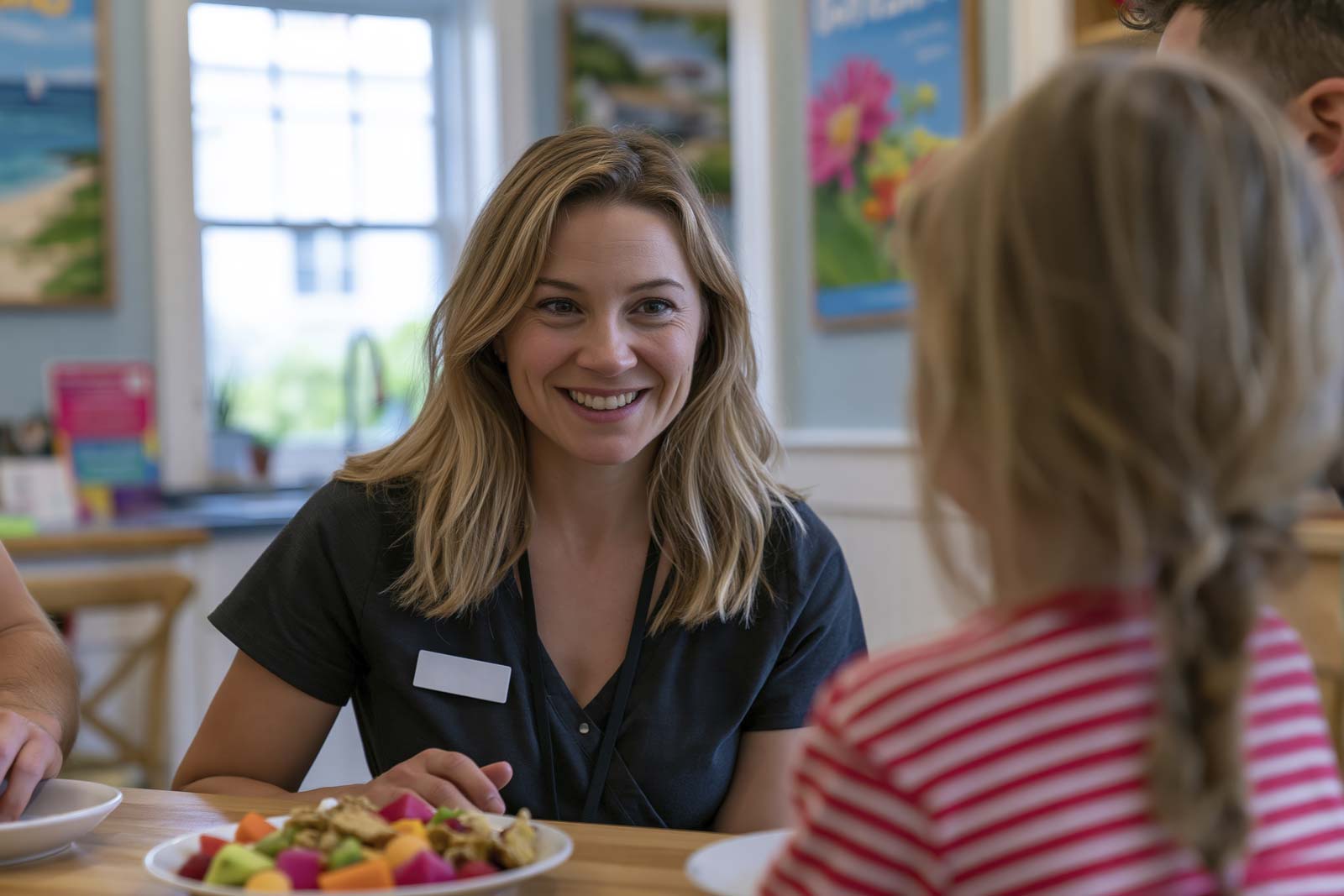
Evidence-Based Feeding Intervention Matters
One of the most important aspects of the Bloom Feeding Institute is its commitment to evidence-based practice.
Effective feeding therapy is not simply about encouraging children to eat more foods. Successful intervention requires systematic assessment, data-informed decision-making, and carefully selected treatment strategies tailored to each child’s needs.
The certification program introduces clinicians to research-supported methodologies including:
- Structured mealtime routines
- Behavioral intervention techniques
- Sensory hierarchies
- Systematic desensitization
- Food chaining strategies
- Stimulus fading procedures
- Reinforcement systems
- Visual supports
- Oral-motor intervention techniques
Participants learn not only how these strategies work but also when they should be applied and how to monitor treatment effectiveness responsibly.
Supporting Children with ARFID and Selective Eating
Among the most searched feeding-related topics today are ARFID treatment, picky eating therapy, food selectivity, and feeding therapy for autism.
Many families struggle for years trying to help children expand their diets and reduce mealtime stress. For clinicians, these cases can be especially challenging when medical, sensory, and behavioral factors overlap.
The Bloom Feeding Institute places significant emphasis on understanding these conditions and developing intervention plans that are individualized, ethical, and family-centered.
Participants learn how to identify common characteristics of selective eating and ARFID while developing practical strategies that support nutritional progress without relying on coercive or harmful approaches. Ethical treatment, patient assent, and caregiver collaboration remain central themes throughout the curriculum.

Real-World Clinical Application
Many continuing education programs provide theoretical information but leave clinicians uncertain about implementation.
The Bloom Feeding Institute was developed with real-world application in mind.
Through case studies, practical examples, treatment planning exercises, and competency assessments, participants gain experience applying concepts to realistic clinical scenarios. This approach helps bridge the gap between knowledge acquisition and clinical confidence.
The institute’s blended learning model combines structured coursework with mentorship-oriented support, allowing participants to develop skills they can immediately apply in clinical settings.
Case Consultation and Professional Support
In addition to certification training, the Bloom Feeding Institute offers consultation opportunities for clinicians and care teams managing complex feeding cases.
Healthcare providers often encounter situations involving:
- Extreme food refusal
- Complex medical histories
- Autism-related feeding challenges
- Nutritional concerns
- Co-occurring developmental conditions
- Diagnostic uncertainty
Consultation services provide access to experienced feeding specialists who can help clinicians evaluate cases, develop treatment recommendations, and improve clinical decision-making. This collaborative approach supports continuity of care while helping professionals strengthen their feeding expertise.

Meeting the Growing Demand for Feeding Specialists
The demand for qualified feeding specialists continues to increase throughout Florida and across the country.
Families are seeking providers with specialized knowledge who can address feeding challenges using evidence-based approaches that consider the whole child.
At the same time, clinicians are looking for advanced feeding therapy training that is practical, comprehensive, and grounded in current research.
The Bloom Feeding Institute was created to serve both needs by helping practitioners develop the skills necessary to support children with feeding disorders while advancing the overall quality of feeding intervention services available to families.
Advancing the Future of Feeding Therapy
Feeding challenges can significantly impact a child’s health, development, family relationships, and quality of life. The need for skilled, confident feeding specialists has never been greater.
Through the Bloom Feeding Institute and its Feeding Certification Series, Bloom Behavioral Solutions is helping shape the next generation of feeding professionals by providing structured, evidence-based education focused on meaningful clinical outcomes.
Whether you’re a BCBA, RBT, occupational therapist, speech-language pathologist, dietitian, or other healthcare professional interested in expanding your feeding expertise, the Bloom Feeding Institute offers a pathway to develop practical skills, strengthen clinical confidence, and make a lasting impact on the lives of children and families.
To learn more about the Bloom Feeding Institute, visit https://jaxbloom.com/feeding-institute/ or explore the Feeding Certification Series to learn about upcoming training opportunities.

Learn More About Our Pediatric Therapy Services
- Pediatric Feeding Therapy in Jacksonville
- Feeding Therapy Training for Clinicians
- Early Intensive Intervention Services
- Pediatric Occupational Therapy
- Speech and Language Therapy
- Request Services for Your Child
- Schedule a Tour of Bloom Behavioral Solutions
Bloom Behavioral Solutions Expands Feeding Therapy Services for Yulee, Fernandina Beach, and Greater Northeast Florida
Families throughout Nassau County, Florida are increasingly searching for compassionate, evidence-based pediatric feeding therapy services that provide individualized care close to home. For parents in communities such as Fernandina Beach, Yulee, Amelia Island, Callahan, and surrounding areas, access to high-quality feeding support can sometimes feel limited.
Bloom Behavioral Solutions, located in Atlantic Beach, Florida, is proud to continue expanding support for families across Northeast Florida with the addition of a new feeding therapist serving children and families throughout Nassau County and the greater Jacksonville region.
While Bloom’s clinic is physically located in Atlantic Beach, the practice serves families from a wide range of surrounding communities who are seeking thoughtful, clinician-led pediatric therapy services focused on long-term developmental progress and family-centered care.
For Nassau County parents navigating feeding difficulties, picky eating concerns, sensory-related food aversions, or developmental delays connected to eating and mealtime behaviors, Bloom offers an experienced and supportive environment designed specifically for children and caregivers.
Parents looking to learn more about Bloom’s regional service area can also visit the official Bloom Behavioral Solutions Service Areas page.

Why Feeding Therapy Matters for Young Children
Feeding therapy is far more than simply helping a child “eat better.” Pediatric feeding challenges can impact nutrition, growth, social development, emotional regulation, and overall family quality of life.
Many children experience feeding difficulties at some point during development, but certain signs may indicate the need for professional feeding intervention, including:
- Extremely limited food preferences
- Difficulty transitioning to new textures
- Gagging or choking concerns
- Mealtime anxiety or distress
- Difficulty chewing or swallowing
- Food refusal
- Sensory aversions to smells, textures, or temperatures
- Challenges associated with autism spectrum disorder or developmental delays
- Prolonged bottle dependence
- Difficulty transitioning to solids
Early feeding intervention can help children build healthier relationships with food while reducing stress and frustration during daily routines. Pediatric feeding therapy is often most effective when approached through a collaborative, individualized model that includes both the child and caregivers.
Bloom Behavioral Solutions provides feeding therapy as part of a broader multidisciplinary therapy approach that may also include ABA therapy, occupational therapy, speech therapy, and early intervention services.
Serving Families Across Nassau County, Florida
The addition of a new feeding therapist allows Bloom to better support families traveling from Nassau County communities such as:
- Fernandina Beach
- Yulee
- Amelia Island
- Callahan
- Hilliard
- Nassauville
- Wildlight
Many Nassau County parents are willing to travel to Bloom’s Atlantic Beach clinic because they are searching for a more personalized and relationship-driven therapy experience for their child.
Families from Fernandina Beach, Yulee, Amelia Island, and surrounding Nassau County communities often choose Bloom because of the clinic’s calm environment, individualized care philosophy, and emphasis on keeping parents involved throughout the therapy process.
Rather than a one-size-fits-all approach, Bloom focuses on creating customized therapy plans that support each child’s specific developmental needs, communication goals, sensory preferences, and family dynamics.

A Convenient Atlantic Beach Location for Northeast Florida Families
Bloom Behavioral Solutions is located in Atlantic Beach, making it accessible for families throughout Northeast Florida who are seeking specialized pediatric therapy services in a coastal, family-friendly setting.
The clinic regularly serves children and families from:
- Atlantic Beach
- Jacksonville Beach
- Neptune Beach
- Ponte Vedra Beach
- Nocatee
- Jacksonville
- Southside
- Baymeadows
- Mandarin
- Orange Park
- Fleming Island
- Fernandina Beach
- Nassau County
- St. Johns County
- Clay County
Bloom’s location allows families from both Jacksonville and Nassau County to access services while avoiding some of the congestion and larger institutional clinical settings often associated with major metropolitan therapy centers.
Families interested in learning more about the geographic communities Bloom serves can explore the full Bloom Behavioral Solutions location and service areas page.
A Family-Centered Approach to Feeding Therapy
One of the biggest reasons families throughout Northeast Florida choose Bloom is the practice’s family-centered philosophy of care.
At Bloom, therapy is not isolated to the child alone. Parents and caregivers play an important role in the therapeutic process through collaboration, communication, education, and consistency.
This approach is especially important in feeding therapy because many feeding challenges extend beyond the clinical environment and affect routines at home, school, restaurants, family gatherings, and everyday activities.
Bloom’s clinicians work closely with families to help create realistic, supportive strategies that can improve mealtime experiences while encouraging gradual, meaningful progress.
The clinic emphasizes:
- Play-based and natural learning environments
- Compassionate and supportive therapy experiences
- Individualized treatment planning
- Parent communication and collaboration
- Evidence-based intervention strategies
- Developmentally appropriate care
This clinician-led approach has become especially appealing to families across Jacksonville and Northeast Florida who are looking for a more personal alternative to larger therapy providers.
Feeding Therapy and Early Intervention
Feeding therapy is often closely connected to early intervention services.
The earliest developmental years can play a major role in communication, sensory regulation, motor development, emotional growth, and social engagement. Addressing feeding concerns early may help children build confidence and improve overall participation in everyday routines.
Bloom Behavioral Solutions prioritizes early intervention because these early years represent one of the most important developmental windows for children.
For many families, feeding therapy may overlap with additional areas of support, including:
- Speech delays
- Sensory processing challenges
- Autism evaluations or autism therapy
- Occupational therapy needs
- Behavioral support
- Social communication development
Because Bloom offers multidisciplinary pediatric therapy services under one roof, families can benefit from coordinated care and communication between providers when appropriate.
Supporting Families Beyond Jacksonville
Although Bloom is located in Atlantic Beach, the practice was intentionally designed to support families throughout the greater Northeast Florida region.
Parents often choose Bloom not simply because it is the closest option geographically, but because they value the clinic’s thoughtful approach to pediatric therapy, collaborative care model, and welcoming environment.
This has led many families from Nassau County and surrounding communities to make the short drive to Atlantic Beach in order to access specialized feeding therapy and early intervention support.
For families in Yulee or Fernandina Beach, the drive to Atlantic Beach may provide access to a more individualized therapy experience centered around trust, communication, and long-term developmental growth.

When Should Parents Consider Feeding Therapy?
Parents often wonder whether their child’s eating habits are part of normal developmental stages or whether professional support may be beneficial.
While every child develops differently, some common signs that feeding therapy may help include:
- Eating fewer foods over time instead of expanding preferences
- Strong reactions to textures or smells
- Difficulty participating in family meals
- Frequent gagging, coughing, or refusal behaviors
- Anxiety around mealtimes
- Limited protein, fruit, or vegetable intake
- Difficulty transitioning to age-appropriate foods
- Nutritional concerns or growth issues
- Sensory-related food avoidance
If parents are unsure whether feeding therapy may be appropriate, Bloom’s team can help guide families through next steps and discuss whether services may be a good fit for their child’s needs.
Compassionate Pediatric Therapy for Northeast Florida Families
Bloom Behavioral Solutions continues to grow as a trusted pediatric therapy provider serving families throughout Jacksonville and Northeast Florida. With the addition of a new feeding therapist supporting Nassau County families, the clinic is expanding access to compassionate, individualized feeding support for children across the region.
Whether families are located in Fernandina Beach, Yulee, Jacksonville Beach, Ponte Vedra, Orange Park, or greater Jacksonville, Bloom remains focused on providing evidence-based pediatric therapy services in a supportive, family-centered environment.
To learn more about Bloom Behavioral Solutions and the communities served throughout Northeast Florida, visit the Bloom Behavioral Solutions location and service areas page.
Learn More About Our Pediatric Therapy Services
- Pediatric Feeding Therapy in Jacksonville
- Feeding Therapy Training for Clinicians
- Early Intensive Intervention Services
- Pediatric Occupational Therapy
- Speech and Language Therapy
- Request Services for Your Child
- Schedule a Tour of Bloom Behavioral Solutions
For many families, the moment they realize their child may need extra developmental support can feel overwhelming. Questions come quickly. What should we do next? Who do we trust? How do we make the right decisions for our child?
In Jacksonville and the surrounding areas, families have access to high-quality early intervention services that can make a meaningful difference during the most important years of development. With the right support, children can build communication skills, improve behavior, and gain confidence in everyday routines like play, learning, and even mealtime.
This guide will walk you through what early intervention means, the types of services available, and how a multidisciplinary approach can help your child thrive.
What Is Early Intervention and Why Does It Matter?
Early intervention refers to services and support provided to young children who show developmental delays or have been diagnosed with conditions such as autism spectrum disorder. These services typically focus on children from infancy through early childhood.
The early years are critical for brain development. During this time, children are rapidly learning how to communicate, interact, and navigate the world around them. When challenges are identified early, targeted support can help build foundational skills that carry into school and beyond.
Research consistently shows that children who receive early, structured support often make stronger progress in communication, behavior, and social development compared to those who start later.
Signs Your Child May Benefit from Early Intervention
Every child develops at their own pace, but there are certain signs that may indicate a need for additional support. These can include:
- Limited or delayed speech and language development
- Difficulty making eye contact or engaging socially
- Challenges with transitions or changes in routine
- Repetitive behaviors or restricted interests
- Feeding difficulties or extremely selective eating
- Difficulty following directions or engaging in play
If you notice one or more of these signs, it does not necessarily mean something is wrong, but it may be worth exploring an evaluation to better understand your child’s needs.

Applied Behavior Analysis (ABA): Building Core Skills
One of the most widely used and research-supported approaches in early intervention is Applied Behavior Analysis. ABA focuses on understanding behavior and using structured strategies to teach new skills and reduce challenging behaviors.
At its core, ABA helps children learn how to communicate, follow directions, and interact more effectively with others. Sessions are typically individualized and designed around each child’s specific goals.
To learn more about this approach, visit Applied Behavior Analysis services.
Key benefits of ABA include:
- Improved communication and language skills
- Better ability to follow routines and instructions
- Reduction in challenging behaviors
- Increased independence in daily activities
Feeding Therapy: Supporting Mealtime Success
Feeding challenges are more common than many parents realize. Some children may have strong food aversions, limited diets, or difficulty with textures and swallowing. These challenges can impact nutrition, family routines, and overall quality of life.
Feeding therapy addresses these concerns through a structured and supportive approach. By combining behavioral strategies with sensory and nutritional considerations, therapists can help children expand their diet and build positive associations with food.
Learn more about available support through Occupational Therapy services, which often play a key role in feeding development.
Goals of feeding therapy may include:
- Increasing food variety
- Reducing mealtime stress and resistance
- Improving oral motor and sensory tolerance
- Building confidence during meals

The Power of a Multidisciplinary Approach
One of the most effective ways to support a child’s development is through a multidisciplinary approach. This means combining expertise from multiple fields to address the full picture of a child’s needs.
In a high-quality early intervention setting, this often includes collaboration between:
- Board Certified Behavior Analysts (BCBAs)
- Registered Behavior Technicians (RBTs)
- Occupational Therapists (OTs)
- Speech-Language Pathologists (SLPs)
- Dietitians and nutrition professionals
This team-based model ensures that progress in one area supports growth in others. For example, improving communication skills can reduce frustration during meals, while better sensory regulation can improve participation in therapy sessions.
A Natural, Play-Based Environment
Children learn best when they feel safe, engaged, and motivated. That is why many modern early intervention programs focus on natural, play-based environments rather than rigid or clinical settings.
Through guided play, children can practice real-world skills in a way that feels enjoyable and meaningful. This approach helps:
- Increase engagement and participation
- Encourage spontaneous communication
- Build social and emotional connections
- Support generalization of skills across settings
Play-based therapy does not mean unstructured time. It is intentional, goal-driven, and designed to meet each child where they are.
Serving Families Across Jacksonville and Beyond
Families throughout Northeast Florida have access to early intervention services that are both comprehensive and locally focused. This includes:
- Jacksonville
- Jacksonville Beach
- Atlantic Beach and Neptune Beach
- Ponte Vedra Beach
- St. Johns County
- Southside and Baymeadows
Choosing a provider that understands the local community can make a meaningful difference in consistency of care and long-term support.
What to Expect from the First Steps
Starting early intervention can feel like a big step, but the process is typically straightforward and supportive.
- Initial Consultation: A conversation to understand your concerns and goals
- Evaluation: A structured assessment to identify strengths and areas of need
- Personalized Plan: A tailored program designed specifically for your child
- Ongoing Therapy: Regular sessions focused on measurable progress
- Parent Collaboration: Guidance and support to reinforce progress at home
Parent involvement is a key part of success. When families are equipped with the right tools and strategies, progress often happens more quickly and consistently.

Why Early Action Matters
If you have concerns about your child’s development, taking action early can open the door to meaningful progress. Early intervention is not about labeling a child. It is about providing support, building confidence, and creating opportunities for growth.
With the right combination of ABA, feeding therapy, and multidisciplinary support, children can develop the skills they need to thrive in everyday life.
No parent should feel uncertain about what to do next. With the right guidance and a supportive team, you can move forward with clarity and confidence.
Take the Next Step
If you are exploring early intervention services in Jacksonville or the surrounding areas, now is the time to take the next step. Whether your child needs support with communication, behavior, or feeding, a personalized plan can make all the difference.
Reach out to learn more, schedule an evaluation, and begin building a path forward for your child and your family.

Learn More About Our Pediatric Therapy Services
- Pediatric Feeding Therapy in Jacksonville
- Feeding Therapy Training for Clinicians
- Early Intensive Intervention Services
- Pediatric Occupational Therapy
- Speech and Language Therapy
- Request Services for Your Child
- Schedule a Tour of Bloom Behavioral Solutions

For many parents, one of the most common questions is also one of the most important: when should I consider early intervention for my child?
It is easy to assume that children develop at their own pace and that delays will work themselves out over time. In some cases, that is true. But when it comes to communication, motor skills, behavior, and social development, early support can make a meaningful difference.
Understanding when to start early intervention is less about waiting for a specific age and more about recognizing the right time to take action.
Learn more about our Applied Behavior Analysis.
What Is Early Intervention?
Early intervention refers to therapeutic services designed to support infants and young children who are not meeting developmental milestones or who may benefit from additional support.
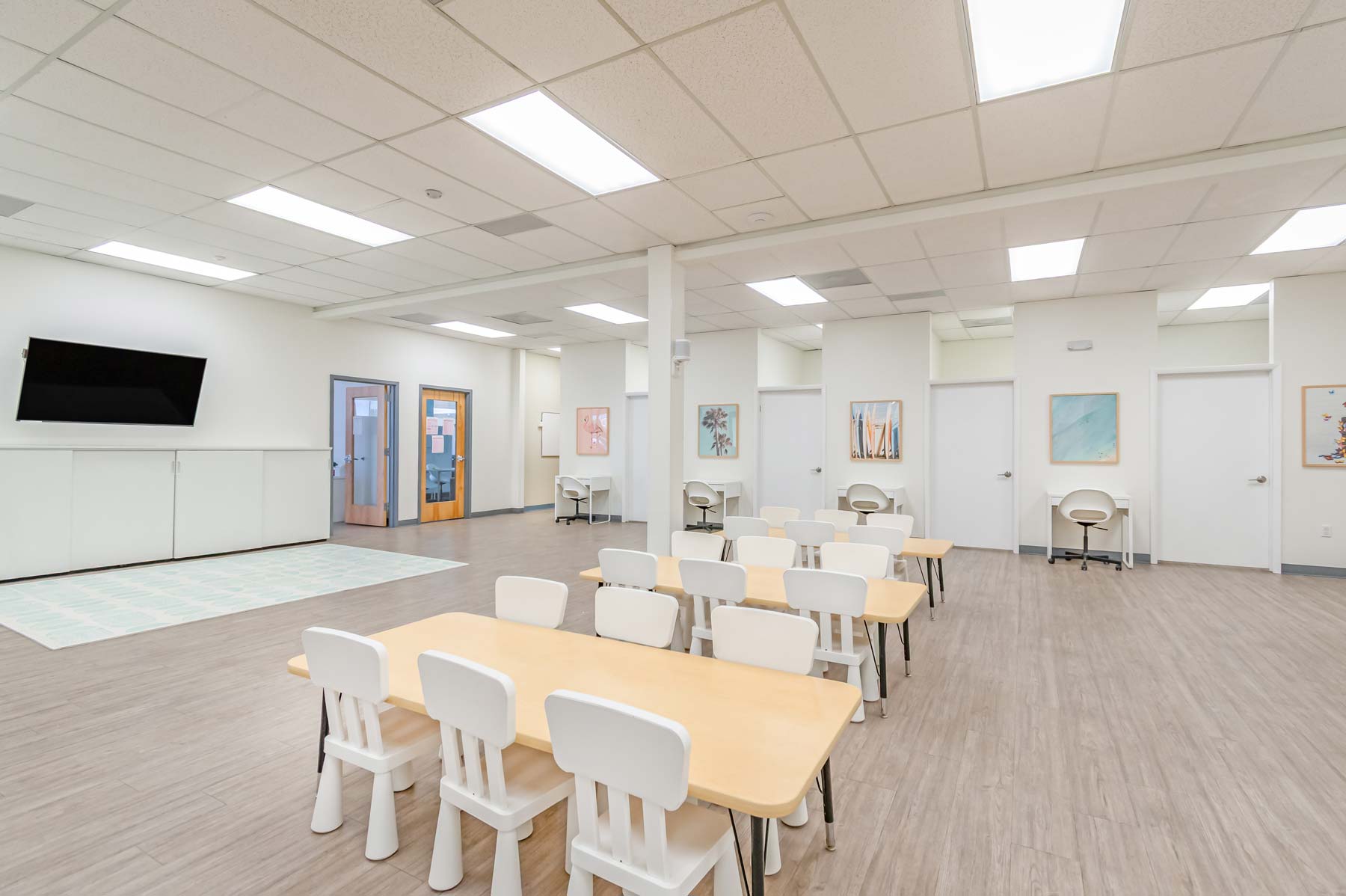
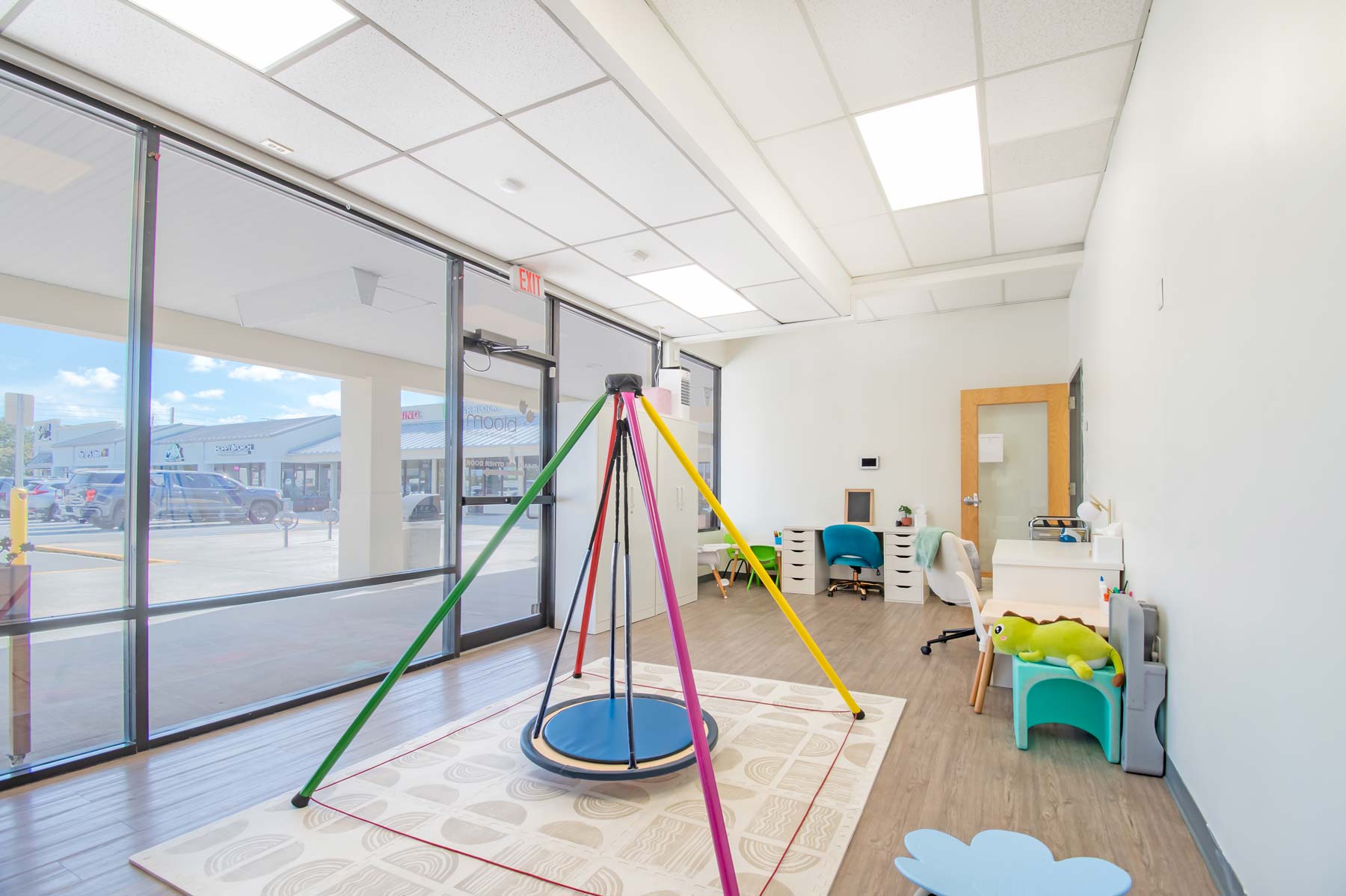
At Bloom Behavioral Solutions in Atlantic Beach, early intervention services are delivered in a natural, play-based environment that supports learning through everyday interaction. These services may include:
Each of these approaches focuses on helping children build foundational skills that support long-term growth.

The Ideal Age to Start Early Intervention
The short answer is simple: the earlier, the better.
Early intervention can begin as early as infancy and is typically most effective when started between birth and age five. During these early years, a child’s brain is developing rapidly. This period of development creates a strong opportunity to build skills related to communication, behavior, and social interaction.
Children do not need a formal diagnosis to begin early intervention. If there are concerns about development, it is appropriate to explore services right away.
Why Early Matters
The first few years of life are critical for brain development. Neural pathways responsible for language, emotional regulation, and motor coordination are forming quickly during this time.
When support is introduced early:
- Children can build communication skills more effectively
- Social interactions become easier to navigate
- Challenging behaviors can be addressed before they become patterns
- Confidence and independence can grow naturally
Waiting can make these areas more difficult to address later. Early intervention helps children build a strong foundation so they are better prepared for preschool, kindergarten, and beyond.

Signs Your Child May Benefit from Early Intervention
Parents are often the first to notice when something feels off. Trusting those instincts is important.
Some common signs that a child may benefit from early intervention include:
Communication Delays
- Limited or no words by 12 to 18 months
- Difficulty following simple directions
- Limited eye contact or lack of response to name
Social and Behavioral Differences
- Limited interest in interacting with others
- Difficulty with transitions or changes in routine
- Frequent frustration or meltdowns
Motor Skill Delays
- Delays in crawling, walking, or coordination
- Difficulty using hands for play or feeding
Feeding Challenges
- Trouble with textures or limited food variety
- Difficulty chewing or swallowing
Is It Ever Too Early?
One of the most common concerns parents have is whether they are overreacting.
In reality, it is very rare to start too early. Early intervention is designed to meet children where they are, whether that means addressing small concerns or providing more structured support.
If a child does not need ongoing services, that will become clear through the evaluation process. If support is beneficial, starting early gives your child more time to grow and develop essential skills.
What Happens During Early Intervention?
At Bloom’s Jacksonville clinic, sessions are designed to feel natural and engaging. Children learn through play, interaction, and structured activities that match their developmental level.
A typical session may include:
- Play-based learning activities
- Communication exercises
- Social interaction with therapists
- Sensory-based activities for regulation
- Parent collaboration and guidance
Bloom also offers structured social development programs such as Super Sprouts, Petit Sprouts early intervention program, and Daffodil Social Club, which help children build peer interaction skills in a supportive setting.
Families are also supported throughout the process. Parents are given tools and strategies they can use at home, creating consistency that reinforces progress.
How Early Intervention Supports Long-Term Success
Early intervention is not just about addressing immediate concerns. It is about setting children up for long-term success.
Children who receive early support often show improvements in:
- Language development
- Social skills
- Emotional regulation
- Independence in daily activities
These improvements can have a lasting impact as children enter school and begin interacting more with peers and teachers.
Early support can also reduce the need for more intensive services later, making it a proactive step that benefits both the child and the family.
Early Intervention in Jacksonville and the Beaches
Families across Northeast Florida can learn more about Bloom’s service areas, including Jacksonville, Atlantic Beach, Jacksonville Beach, Ponte Vedra, and St. Johns County.
The goal is to create meaningful progress in a setting that feels comfortable, positive, and engaging.

When Should You Take the First Step?
If you are asking the question, it may already be time to explore early intervention.
You do not need to wait for a referral or a formal diagnosis to begin learning more. Starting with a conversation can provide clarity and direction.
Contact Bloom Behavioral Solutions to learn more about services and next steps.
Taking the Next Step
Every child develops differently, but support during the early years can make a lasting difference.
Reaching out is the first step toward understanding your child’s needs and creating a path forward that supports their growth.
Learn More About Our Pediatric Therapy Services
- Pediatric Feeding Therapy in Jacksonville
- Feeding Therapy Training for Clinicians
- Early Intensive Intervention Services
- Pediatric Occupational Therapy
- Speech and Language Therapy
- Request Services for Your Child
- Schedule a Tour of Bloom Behavioral Solutions
As a parent, you know your child better than anyone. You notice the small milestones, the unique personality traits, and the subtle changes in behavior or development. But sometimes, it can be difficult to determine whether a delay or challenge is simply part of growing up—or a sign that your child may benefit from additional support.
Early intervention therapy is designed to help children build essential skills during the most important stages of development. At Bloom Behavioral Solutions, we work with families throughout Jacksonville, Atlantic Beach, Jacksonville Beach, Ponte Vedra, and surrounding areas to provide individualized, play-based therapy that supports each child’s growth.
If you’re wondering whether your child could benefit from early intervention, here are some key signs to look for.

Delays in Speech or Communication
One of the most common indicators that a child may benefit from early intervention therapy is delayed speech or difficulty communicating. This can include:
- Limited vocabulary for their age
- Difficulty forming words or sentences
- Not responding to their name
- Trouble following simple directions
Communication challenges can impact a child’s ability to express needs, interact socially, and build confidence. Early support through speech therapy can help children develop language skills in a natural, engaging way.
Difficulty with Social Interaction
If your child struggles to engage with others, this may be a sign they could benefit from additional support. Signs to watch for include:
- Limited eye contact
- Difficulty playing with peers
- Lack of interest in social interaction
- Challenges with turn-taking or sharing
Social development is critical in early childhood. Programs like Bloom’s Super Sprouts Social Group are designed to help children build these skills in a supportive, structured environment.

Behavioral Challenges or Difficulty with Transitions
All children experience frustration, but frequent or intense behavioral challenges may indicate a need for support. This can include:
- Frequent meltdowns or tantrums
- Difficulty transitioning between activities
- Repetitive behaviors
- Difficulty with attention or focus
Through evidence-based approaches like Applied Behavior Analysis (ABA), children can learn coping strategies, improve emotional regulation, and build positive behaviors that support long-term success.
Delays in Fine Motor or Daily Living Skills
Children develop motor skills at different rates, but noticeable delays may benefit from early intervention. Signs include:
- Difficulty holding utensils, crayons, or small objects
- Challenges with dressing, feeding, or brushing teeth
- Poor coordination or balance
These skills are essential for independence and confidence. Occupational therapy helps children strengthen fine motor abilities and develop the skills needed for everyday activities.

Feeding Difficulties or Sensory Sensitivities
Feeding challenges can be stressful for both children and parents. Some common signs include:
- Limited food preferences or picky eating
- Difficulty chewing or swallowing
- Strong aversions to certain textures or smells
These issues are often connected to sensory processing or oral motor development. Bloom offers specialized feeding therapy to help children build a healthier relationship with food in a supportive, low-pressure environment.

Not Meeting Developmental Milestones
Every child develops at their own pace, but consistent delays in key milestones may indicate the need for early intervention. These can include:
- Not walking, talking, or gesturing within expected timeframes
- Limited play skills or imagination
- Difficulty learning new skills
Early intervention programs, like Bloom’s Petit Sprouts Early Intensive Intervention Program, are designed to provide structured, individualized support during these critical developmental years.
Trust Your Instincts as a Parent
Perhaps the most important sign is your own intuition. If something feels off, it’s always worth exploring further. Early intervention does not mean something is “wrong”—it simply means your child is getting the support they need to thrive.
Research consistently shows that the earlier children receive support, the better their long-term outcomes. Addressing challenges early can help build confidence, improve independence, and set the foundation for future success.

What Early Intervention Looks Like
At Bloom Behavioral Solutions, therapy is designed to feel natural, engaging, and child-led. Our team uses a play-based approach to help children develop skills in a comfortable and supportive environment.
If you’d like to learn more about what sessions look like, we encourage you to read our in-depth guide: Early Intervention in a Natural, Play-Based Environment: What Sessions Look Like.
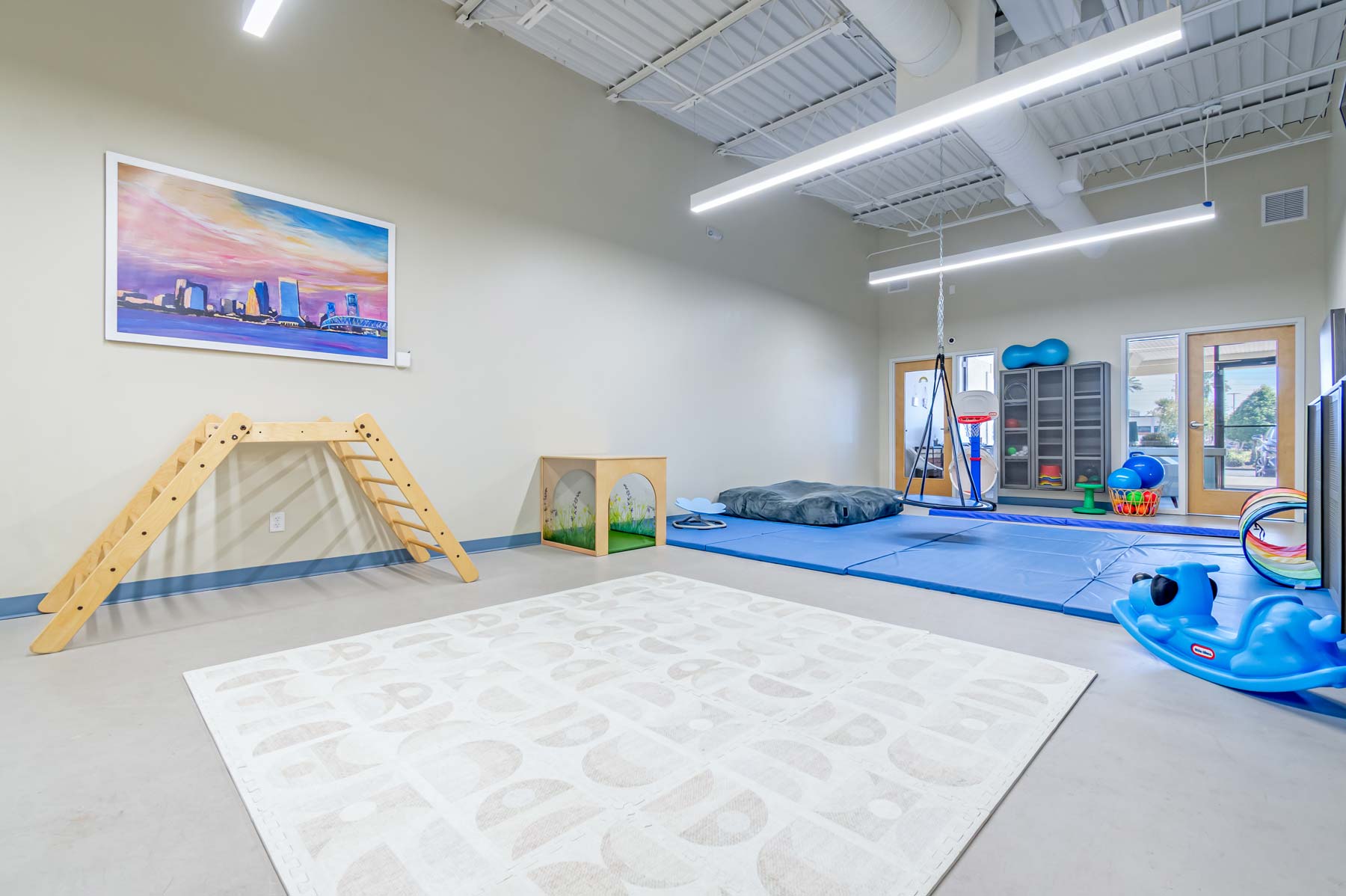
Serving Families Across Jacksonville and the Beaches
Bloom Behavioral Solutions proudly serves families throughout Jacksonville, Atlantic Beach, Jacksonville Beach, Ponte Vedra, and St. Johns County. Our goal is to provide accessible, high-quality therapy services that meet each child where they are.
Take the Next Step
If you recognize any of these signs in your child, you are not alone—and support is available. Early intervention can make a meaningful difference in your child’s development and overall well-being.
Contact Bloom today to schedule an evaluation and learn how our team can help your child grow, learn, and thrive.
Learn More About Our Pediatric Therapy Services
- Pediatric Feeding Therapy in Jacksonville
- Feeding Therapy Training for Clinicians
- Early Intensive Intervention Services
- Pediatric Occupational Therapy
- Speech and Language Therapy
- Request Services for Your Child
- Schedule a Tour of Bloom Behavioral Solutions
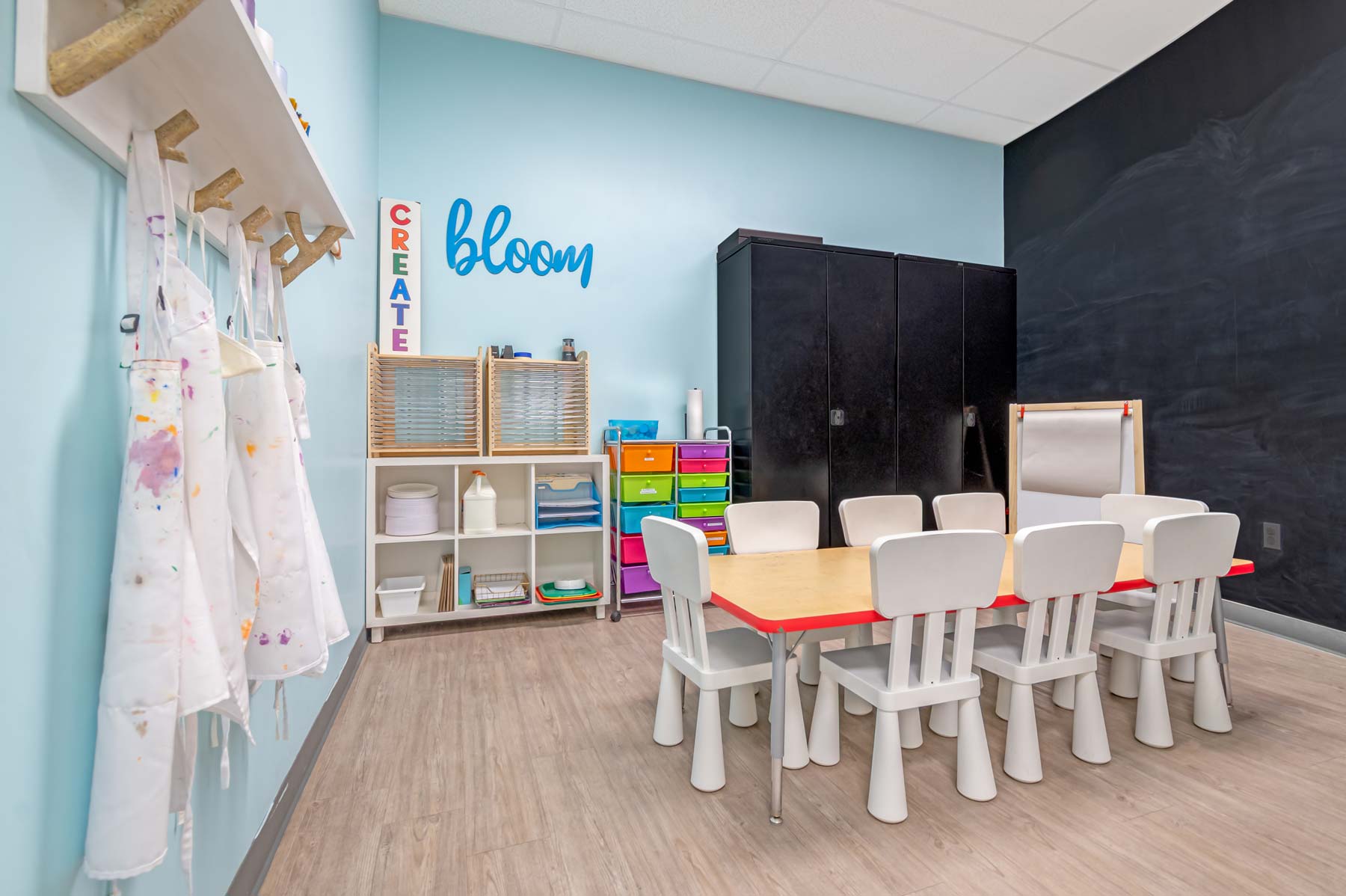
If you’re considering early intervention services for your child, it’s completely normal to wonder what therapy sessions actually look like. You may be picturing a child sitting at a table doing flashcards or being asked to perform tasks repeatedly.
But for many young children, especially those needing early autism support, speech therapy, occupational therapy, and developmental guidance, some of the most meaningful progress happens in a natural, play-based environment.
At Bloom Behavioral Solutions in Atlantic Beach, FL, early intervention is designed around how young children truly learn: through connection, movement, curiosity, and repeated opportunities to practice skills in ways that feel safe and motivating. Families visit Bloom from across Jacksonville, the Beaches, Ponte Vedra, St. Johns County, Baymeadows/Southside, and surrounding Northeast Florida because early intervention is time-sensitive—and the right approach matters.
Below, we’ll walk you through what you can expect from a natural, play-based early intervention session, how goals are supported, and why this style of therapy can be especially powerful for young children in their earliest developmental years.
What “Natural, Play-Based” Early Intervention Really Means
Early intervention services are designed for infants and young children who may need support with:
- communication or speech development
- social interaction and play skills
- feeding and sensory needs
- motor development and coordination
- emotional regulation
- early learning readiness
- behavioral challenges that interfere with development
A natural, play-based approach means therapy isn’t separated from real life. Instead, the therapist works within the ways your child already engages with the world—through play, exploration, routines, and relationships.
Rather than requiring a child to “sit still and comply,” the therapist meets your child where they are and then builds skill development from there.
This approach is especially beneficial for early intervention because the most important outcomes at this stage include:
- connecting with others
- learning to communicate wants and needs
- tolerating transitions and new situations
- building attention, flexibility, and emotional safety
- increasing independence through daily successes
These are skills children learn best through real experiences, not only structured drills.
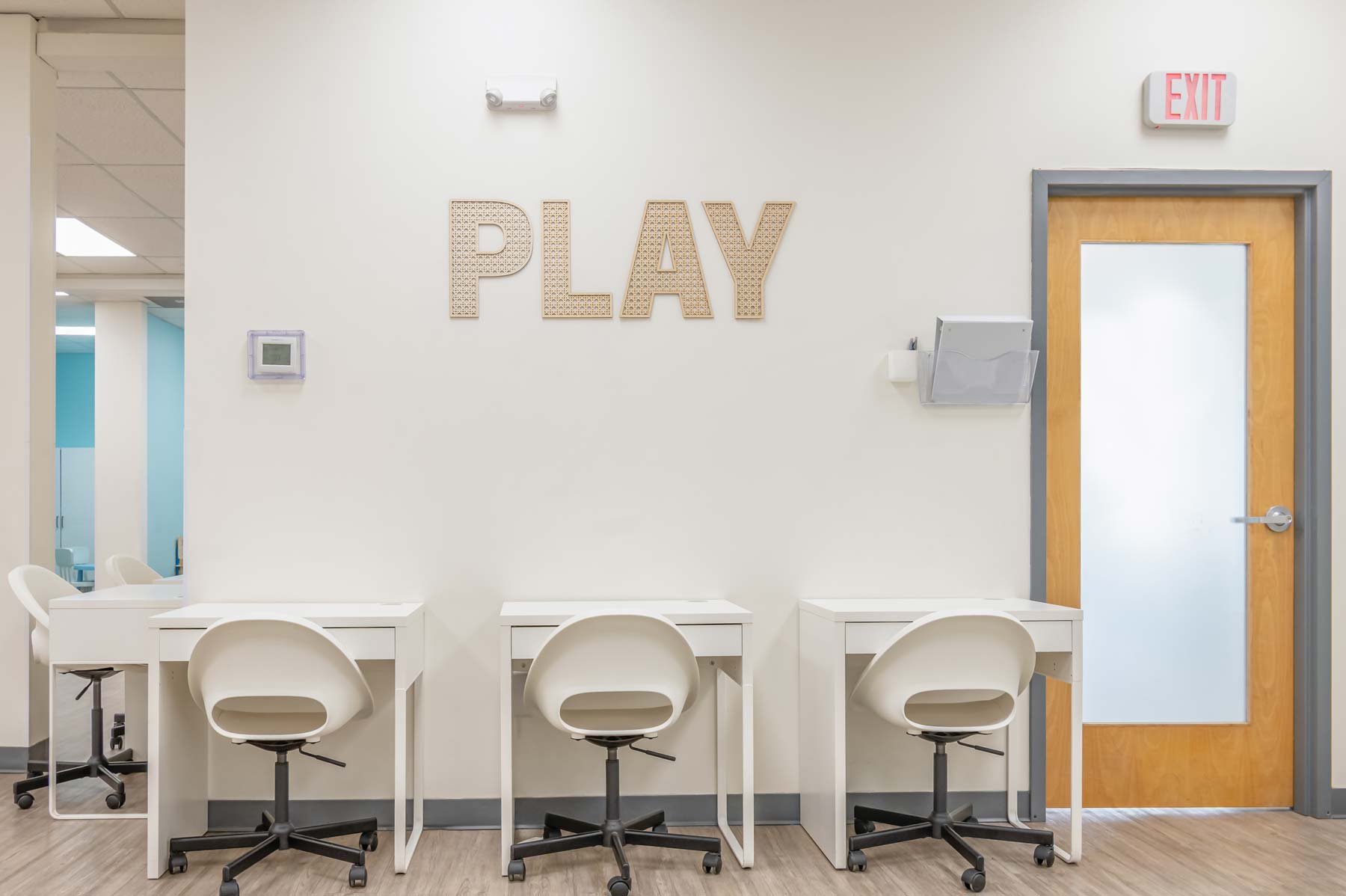
What Happens During an Early Intervention Session?
Every child is different, and sessions are always individualized. But in general, an early intervention session at Bloom feels less like “therapy” and more like a highly intentional play experience led by professionals who understand child development deeply.
1) The First Few Minutes: Connection + Regulation
Early intervention starts with trust. Many children need time to settle in, observe, and feel safe.
Therapists may begin with:
- a warm greeting
- a predictable routine
- sensory-friendly warm-up play
- movement activities
- calming strategies (depending on the child)
This isn’t wasted time—it’s foundational. A regulated child learns better, communicates more, and experiences fewer shutdowns and meltdowns.
2) Following the Child’s Lead (With Purpose)
Play-based intervention doesn’t mean “anything goes.” Therapists continuously observe and guide—but in a way that keeps your child engaged.
A session may begin with whatever your child naturally gravitates to:
- trains or cars
- pretend play (kitchen sets, dolls, animals)
- bubbles
- puzzles
- sensory bins
- books
- climbing, jumping, swinging
- music toys and cause-and-effect toys
From there, the therapist turns that interest into therapeutic opportunity.
Example: If your child loves bubbles, the therapist might work on:
- requesting (“bubbles,” “more,” “again”)
- eye contact and shared attention
- imitation (clapping, pointing, “pop!”)
- turn taking (“my turn / your turn”)
- waiting tolerance (“ready… set… go!”)
To an outside observer, it looks like bubbles. But underneath, your child is practicing communication, social engagement, motor planning, and emotional control.
3) Skill-Building Without Breaking the Flow
Bloom’s approach emphasizes keeping therapy natural and connected. Therapists don’t constantly interrupt play to test a child. Instead, they create moments where skills are needed and support your child through them.
Examples include:
- placing a favorite toy in a container that requires requesting help
- pausing before giving an item to encourage communication
- creating playful obstacles that motivate problem-solving
- building predictable routines that teach transition skills
- rotating activities to build flexibility
The goal is always to support real skill development while keeping the child regulated and engaged.

How Therapists Set Goals Without Making Sessions Feel Clinical
Many parents ask: “If it’s play-based, how do you make sure my child is improving?”
At Bloom, early intervention sessions are built around individualized goals that may include:
- expressive language (words, signs, AAC)
- receptive language (following directions, understanding routines)
- joint attention (sharing focus with another person)
- play development (functional play to pretend play)
- early social skills (interaction, turn taking, peer readiness)
- reducing challenging behavior by teaching functional communication
- sensory integration and regulation strategies
- feeding and oral motor skills
- fine motor development and independence
The difference is how these goals are practiced: they’re embedded into play and natural routines so skills generalize into everyday life.

What a Session Might Look Like Step-by-Step
Every program is different, but here’s an example of what a play-based early intervention session may look like.
Sample Session Outline (60–90 minutes)
- Arrival + check-in
Warm-up with familiar items, connection, and a simple transition routine. - Sensory-motor activity
Swinging, jumping, scooter board, climbing to support regulation and attention. - Communication-based play
Bubbles, pretend play, toy animals, or play routines that encourage interaction and requesting. - Short structured learning moment
Puzzle, matching, simple turn-taking game woven in naturally. - Social play + flexibility practice
Rotating activities and practicing transitions with support strategies. - Parent coaching + summary
What worked today, progress notes, and home strategies to support carryover.
Many families are surprised by how much progress can come from sessions that feel joyful and natural.

Why Natural, Play-Based Early Intervention Works So Well
Children Learn Best When They Feel Safe
When therapy feels stressful or overly demanding, children may shut down or resist. When therapy feels safe and motivating, engagement increases, and engagement drives progress.
- more skill repetition
- longer attention
- more communication attempts
- faster learning
Motivation Builds Communication Faster
Play creates high motivation. When a child wants something, communication becomes meaningful and functional. That’s why play-based sessions often support big gains in requesting, imitation, and new word development.
Skills Generalize Better Into Real Life
When children practice skills while playing, moving, transitioning, and interacting, those skills transfer more naturally into everyday routines: home, preschool, community outings, and peer play.
Families Come From All Over Jacksonville for Early Intervention
Bloom Behavioral Solutions is located in Atlantic Beach, FL, and families regularly visit from:
- Jacksonville (all areas)
- Jacksonville Beach / Neptune Beach
- Ponte Vedra / Nocatee
- St. Johns County
- Southside / Baymeadows
- Mandarin
- San Marco
- Riverside / Avondale
- Arlington
- Fernandina Beach / Nassau County
- Clay County
If you’re outside the Beaches area, it’s fair to wonder if the drive is worth it. For many families, it is, because early intervention is time-sensitive, and the right environment supports faster progress and stronger long-term outcomes.
What Parents Can Expect From Bloom
Early intervention should support the entire family. Parents shouldn’t leave feeling overwhelmed or blamed—they should leave with clarity and direction.
At Bloom, families can expect:
- a plan tailored to your child
- measurable goals without a rigid, one-size-fits-all approach
- a supportive team who adjusts to your child’s nervous system and communication style
- an emphasis on real-world progress (not perfection)
- parent guidance so progress continues at home
Because progress doesn’t only happen in-session. It happens in the day-to-day moments when families feel confident supporting development naturally.
Next Step: Early Intervention Support in Jacksonville and Northeast Florida
If you’re in Jacksonville or Northeast Florida and you’re noticing signs your child may benefit from early intervention, the best time to act is now.
Whether you’re navigating a new autism diagnosis, waiting on evaluations, or simply noticing developmental delays, early support can make a lasting impact.
Bloom Behavioral Solutions in Atlantic Beach provides early intervention support in a natural, play-based environment designed to help young children build foundational skills through connection, communication, and meaningful play.
Ready to get started? Fill our our brief form to Request Services now.
FAQ: Natural, Play-Based Early Intervention
Is play-based therapy “serious” enough?
Yes. It is one of the most effective and developmentally appropriate approaches for young children. Play-based therapy is structured, goal-driven, and measurable—it simply doesn’t feel clinical or forced.
Will my child still learn structure?
Absolutely. Structure is built into routines, transitions, and predictable session flow—without expecting compliance before the child is ready.
Do parents participate?
Often, yes. Parent support and coaching helps skills generalize into home routines, which is a major key to early intervention success.
Contact Us today with any questions.
Learn More About Our Pediatric Therapy Services
- Pediatric Feeding Therapy in Jacksonville
- Feeding Therapy Training for Clinicians
- Early Intensive Intervention Services
- Pediatric Occupational Therapy
- Speech and Language Therapy
- Request Services for Your Child
- Schedule a Tour of Bloom Behavioral Solutions
Hearing the words “your child has autism” can stop time for a moment. For many families across Jacksonville, Atlantic Beach, Neptune Beach, Jacksonville Beach, Ponte Vedra, St. Johns County, and Southside/Baymeadows, the days that follow a diagnosis are a mix of emotions—relief, fear, confusion, love, and a deep desire to do the right thing.
If you’re in that season right now, this guide is for you.
Below is a practical, parent-friendly checklist for what to do after an autism diagnosis in Jacksonville. It’s designed to help you move from “What now?” to a calm, organized plan—one step at a time. No pressure. No overwhelm. Just clarity.
First: Take a Breath (You’re Not Behind)
Before we get into checklists and next steps, there’s something important to say out loud:
You are not behind.
An autism diagnosis does not change who your child is. It gives you a better understanding of how they experience the world and which supports can help them thrive. Many children make incredible progress with early intervention and family-centered therapy—especially when services are tailored to their development and delivered in a warm, play-based environment.
Now, let’s talk about the most helpful next steps for families in Jacksonville and the surrounding communities.
The Jacksonville Parent Checklist: What to Do After an Autism Diagnosis
1) Organize the Diagnosis Paperwork (It Matters More Than You Think)
Start by creating one folder (physical or digital) that includes:
- The diagnostic report
- Developmental evaluation notes
- Any pediatrician referrals
- Insurance cards and policy details
- School or daycare reports (if applicable)
Why this matters: In Jacksonville, many therapy clinics and providers require a copy of the diagnostic report before scheduling certain services. Having it ready saves time and reduces back-and-forth.
Pro tip: Save PDFs in one shared family folder (Google Drive/Dropbox) so both parents/caregivers can access them quickly.
2) Call Your Pediatrician (and Request Any Needed Referrals)
Even if you already have a diagnosis, your pediatrician is still an important part of your team. Call them and ask:
- Do we need referrals for ABA therapy, speech therapy, occupational therapy, or feeding therapy?
- Do you recommend additional evaluations?
- Are there local resources in Jacksonville you recommend?
In practical terms: Some insurance plans require referrals for certain services. Getting those documents early can prevent delays.
3) Get on Waitlists Immediately (Even If You’re Not Sure Yet)
In Jacksonville and surrounding areas—especially The Beaches, Ponte Vedra, and St. Johns County—many pediatric autism providers have waitlists.
The best approach is to get on waitlists now, even if you’re still deciding. You can always adjust later, but you can’t get time back.
When calling clinics, ask:
- Determine who owns the clinic and whether it operates as a franchise or as a privately owned practice run by a BCBA. This distinction is important because franchise clinics often prioritize financial incentives, while clinician-owned practices tend to emphasize quality of care and treatment integrity.
- What’s the current wait time for evaluations and services?
- What age groups do you prioritize for scheduling?
- Do you offer early intervention programs?
- How do you support parents throughout the process?
Jacksonville reality check: Demand is high. The sooner you start the intake process, the sooner your child can begin services.
Pro Tip: Fill Out Our Request for Services Form Now.
4) Prioritize Early Intervention (The Most Valuable “First Step”)
If there’s one thing to focus on first, it’s early intervention. For toddlers and preschool-aged children (often 18 months to 5 years), early intervention can create a strong foundation in:
- Communication
- Social engagement and play
- Daily living routines
- Regulation and transitions
- Feeding and sensory comfort
Families in Jacksonville often ask, “Do we need to do everything at once?” The answer is: not always. But early intervention is usually where the highest momentum begins.
Parent tip: Ask clinics if they have dedicated early intervention tracks (sometimes called Micro, Petite, or early childhood programs) designed specifically for young children—because toddlers learn differently than older kids.
5) Build Your Therapy Team (ABA + Speech + OT, and Sometimes Feeding)
Every child’s needs are unique, but many families begin with a combination of:
- ABA therapy (supporting learning, communication, routines, and behavior through individualized goals)
- Speech therapy (supporting language, communication, and social interaction)
- Occupational therapy (supporting sensory processing, motor skills, daily routines, and independence)
- Feeding therapy (supporting picky eating, food refusal, chewing/swallowing skills, and mealtime stress)
Families in Southside/Baymeadows and St. Johns County often need scheduling flexibility—especially for working parents. Ask about:
- Clinic-based vs. in-home services
- After-school appointment availability
- Coordinated care between therapists
- Parent coaching and home support
Why coordinated care matters: When providers collaborate, goals align and progress tends to happen faster and more smoothly.
6) Ask About “Natural, Play-Based” Teaching Approaches
When parents imagine therapy, they often picture something rigid or overly clinical. But many families in Jacksonville want something different—care that feels like childhood, not a sterile appointment.
Look for providers who emphasize:
- Play-based learning
- Developmentally appropriate strategies
- Natural environment teaching (skills taught in real-life contexts)
- Positive parent involvement
- Warm, supportive clinician guidance
This is important: Children learn best when they feel safe, connected, and engaged.
7) Understand Insurance and Costs (Without Getting Overwhelmed)
Insurance can feel like a second full-time job. Here’s the simplified approach:
- Call your insurance provider and ask what autism benefits are covered.
- Ask about ABA coverage, speech/OT coverage, and feeding therapy coverage.
- Confirm whether prior authorizations are required.
- Ask about deductibles, copays, and maximums.
Helpful question to ask clinics: “Can someone help guide us through insurance and authorizations?”
Many parent-friendly clinics in Jacksonville understand that insurance is stressful and will walk you through it step by step.
8) Request a Clear “What Happens Next” Plan
After a diagnosis, parents often feel like they’re being handed puzzle pieces without a picture on the box.
When you contact a clinic, ask for a clear next-steps roadmap:
- How does intake work?
- What forms do we need?
- What is the evaluation process?
- How are goals set?
- How do parents stay involved and informed?
Good providers will give you structure. The process shouldn’t feel mysterious or confusing.
9) Create a Simple Home Plan (Small Steps Matter)
You don’t need to become a therapist. You just need a few simple strategies at home that support your child’s growth.
Consider these gentle, effective home practices:
- Use predictable routines (morning, bedtime, mealtimes)
- Use visual supports (simple picture schedules)
- Offer choices (“Do you want the red cup or blue cup?”)
- Celebrate small wins (progress is built in inches)
- Keep language simple and consistent
Remember: the goal isn’t perfection. It’s connection and consistency.
10) Explore Social Opportunities (Especially in The Beaches & Ponte Vedra)
Parents often focus on therapy first (as they should), but social opportunities matter too—especially as children grow.
Look for:
- Social skills groups
- Small, supported playgroups
- Clinician-guided clubs for older children/teens
- Community-focused family events
Families across Jacksonville Beach, Neptune Beach, Atlantic Beach, and Ponte Vedra often benefit from finding “their people”—other families who understand what this journey feels like.
11) Decide How (and When) to Tell Others
You may feel pressure to explain the diagnosis to family members, friends, daycare staff, or school teams right away. You don’t have to.
Some families keep it simple:
“We’ve learned more about how our child develops and what supports will help them thrive. We’re starting services and creating a plan.”
Do what feels right for your family. This is your story to share on your terms.
12) Know the Signs of a Great Provider (Trust Your Gut)
In Jacksonville, there are many clinics and providers—and not all are the right fit for every family.
Here are signs you’ve found a strong provider:
- You feel welcomed, not judged.
- Your questions are answered clearly and kindly.
- Clinicians speak to you like a partner.
- The environment feels warm and child-centered.
- Your child’s unique personality is respected.
- There’s a clear focus on early intervention and meaningful goals.
Your instinct matters here. If a provider feels cold, rushed, or transactional—keep looking.
FAQ: Common Questions from Jacksonville Parents After a Diagnosis
How soon should we begin therapy after an autism diagnosis?
As soon as possible—especially for younger children. Early intervention can help build foundational skills during critical developmental years.
Do we need ABA, speech, and OT all at once?
Not always. Many children start with the most urgent needs first. A good clinic will help you build a plan that feels manageable.
We live in Ponte Vedra / St. Johns County / Baymeadows—can we still access services easily?
Yes. Many families travel to clinics in Atlantic Beach or central Jacksonville for services. The most important thing is finding the right fit and joining waitlists early.
What if we’re feeling overwhelmed?
That’s normal. Start with one step: organize paperwork, call a clinic, or schedule an inquiry call. Momentum builds quickly once you start moving forward.
Next Step: Request Services and Build a Plan
If you’re a parent in Jacksonville, The Beaches, Ponte Vedra, St. Johns County, or Southside/Baymeadows, and your child has recently been diagnosed with autism, you don’t have to figure this out alone.
The right support can help your child grow—and help your family feel confident and hopeful again.
Your next best step: request services and schedule an inquiry call with a pediatric autism clinic that offers warm, play-based early intervention and coordinated care.
When you’re ready, take the first step. Your child’s future is built one small win at a time—and you’re already doing the most important thing: showing up.
Learn More About Our Pediatric Therapy Services
- Pediatric Feeding Therapy in Jacksonville
- Feeding Therapy Training for Clinicians
- Early Intensive Intervention Services
- Pediatric Occupational Therapy
- Speech and Language Therapy
- Request Services for Your Child
- Schedule a Tour of Bloom Behavioral Solutions

In today’s rapidly changing world, the emotional and social well-being of teenagers and young adults is more important than ever.
Adolescents often face numerous challenges, from academic stress to peer pressure and mental health concerns. Bloom, a leading pediatric behavioral health company in Atlantic Beach, FL, is dedicated to providing comprehensive support to teens and young adults in the greater Jacksonville area. One of their standout offerings is their Teen/Young Adult Social Groups, which play a crucial role in promoting emotional growth and social development.
Understanding Bloom’s Teen/Young Adult Social Groups
Bloom’s Teen/Young Adult Social Groups are designed to create a safe and nurturing environment where teenagers and young adults can come together to build essential life skills while forming meaningful connections with their peers. These groups are specifically tailored to address the unique challenges faced by this age group, fostering personal growth and boosting self-esteem.
Key Features of Bloom’s Social Groups
Social Skills Development: Adolescents often struggle with effective communication and forming relationships. Bloom’s social groups offer structured activities and discussions to help participants enhance their social skills, improve their ability to express themselves, and build confidence in social situations.
- Emotional Regulation: Managing emotions is a crucial skill, especially during the formative years. The program equips participants with tools and strategies to better understand and regulate their emotions, fostering emotional resilience.
- Peer Support: Peer support can be a powerful motivator for teens and young adults. Bloom’s social groups create a supportive community where participants can share experiences, empathize with one another, and develop a sense of belonging.
- Positive Reinforcement: Encouragement and positive reinforcement are central to the program’s philosophy. Participants are encouraged to set achievable goals, and their progress is celebrated, reinforcing their self-worth.
- Fun and Engagement: Learning is most effective when it’s enjoyable. Bloom’s social groups incorporate fun and engaging activities that not only teach valuable life skills but also make the process enjoyable.
Located in Atlantic Beach, FL, Bloom’s Teen/Young Adult Social Groups are easily accessible to residents of the greater Jacksonville area. The proximity to the beautiful Atlantic Beach provides an ideal setting for outdoor activities, enhancing the overall experience.
Why Choose Bloom’s Social Groups?
- Professional Expertise: Bloom’s programs are developed and overseen by experienced pediatric behavioral health experts who understand the unique needs of adolescents.
- Personalized Approach: Each participant’s journey is tailored to their specific needs and goals, ensuring that progress is meaningful and impactful.
- Proven Results: The success stories from past participants highlight the effectiveness of Bloom’s programs in promoting personal growth and positive behavioral changes.
- Comprehensive Care: Bloom offers a range of services beyond social groups, including individual therapy, family counseling, and more, providing a holistic approach to mental and emotional well-being.
Bloom’s Teen/Young Adult Social Groups in Atlantic Beach, FL, offer a valuable resource for teenagers and young adults in the greater Jacksonville area seeking to improve their social skills, emotional resilience, and overall well-being. With a dedicated team of professionals, a supportive community, and a beautiful coastal location, Bloom is committed to helping adolescents bloom into confident, resilient, and socially adept individuals. To learn more about these transformative programs and how they can benefit your teenager or young adult, contact us today.
Invest in your child’s future today with Bloom’s Teen/Young Adult Social Groups.

Serving the greater Jacksonville, FL area, a beacon of hope shines for families navigating the challenging waters of pediatric feeding difficulties. Bloom is nestled in the serene suburb of Atlantic Beach and stands as a symbol of professional excellence and warm, friendly care tailored to children’s unique needs. With a specialized focus on feeding treatment therapy, this clinic has become a haven for parents seeking expert guidance and compassionate support.
A Multidimensional Approach to Feeding Treatment Therapy
Feeding challenges in children can stem from various sources, encompassing sensory sensitivities, developmental factors, and behavioral patterns. What distinguishes Bloom is its commitment to a comprehensive approach that not only addresses the physical aspects of feeding but also delves into the emotional and psychological elements that may contribute to the issue.
The clinic is helmed by a team of dedicated professionals who understand that each child is a unique individual. Drawing upon evidence-based practices and the expertise of board-certified behavior analysts (BCBAs) specialized in pediatric feeding therapy, the clinic crafts personalized treatment plans. This holistic approach ensures that children receive tailored interventions that encompass behavioral modifications, psychological support, and collaboration with other healthcare providers.
Elevating Expertise: BCBAs Dedicated to Children’s Well-being
At the core of Bloom’s success lies its team of highly skilled and passionate professionals. The clinic boasts a roster of board-certified behavior analysts who possess extensive experience in the realm of pediatric feeding therapy. Their expertise extends beyond the theoretical realm; they bring real-world knowledge and a profound commitment to helping children overcome their feeding challenges.
With a blend of behavior modification techniques and a deep understanding of child psychology, these BCBAs inspire confidence in parents and caregivers. Their ability to tailor treatment plans to individual needs ensures that each child receives the attention and support they deserve.
Welcoming Atmosphere: Where Children Blossom
Stepping into Bloom’s Atlantic Beach location is akin to entering a haven designed to nurture both children and their caregivers. The clinic’s dedication to providing a welcoming and friendly environment is evident from the moment families walk through the door. The warm smiles of the staff and the vibrant, child-centric décor contribute to a space where children feel comfortable and at ease.
Recognizing the importance of a relaxed environment, the clinic fosters a setting where children can engage fully with the therapy process. This not only enhances the effectiveness of the sessions but also empowers children to actively participate in their own progress.
Supporting Families Every Step of the Way
The journey through pediatric feeding challenges is a path that no family should walk alone. Bloom understands this and places family involvement at the heart of its approach. Acknowledging the crucial role that parents and caregivers play, the clinic actively engages them in goal-setting, progress tracking, and learning strategies to support their child’s feeding journey outside the clinic.
Through consistent communication and collaboration, the clinic forms a partnership with families that extends beyond the clinic’s walls. This level of support ensures that parents are equipped with the tools and knowledge to continue fostering progress at home.
Conclusion
In the greater Jacksonville, FL area, Bloom in Atlantic Beach stands as a shining beacon of hope for families facing the complexities of pediatric feeding difficulties. With its multidimensional approach, a team of dedicated BCBAs, a welcoming environment, and a commitment to empowering families, the clinic transforms the lives of children and their caregivers alike.
Through expertise, compassion, and unwavering support, the clinic paves the way for brighter, healthier futures for the children it serves in the vibrant Jacksonville community.