What Age Should My Child Start Early Intervention?

For many parents, one of the most common questions is also one of the most important: when should I consider early intervention for my child?
It is easy to assume that children develop at their own pace and that delays will work themselves out over time. In some cases, that is true. But when it comes to communication, motor skills, behavior, and social development, early support can make a meaningful difference.
Understanding when to start early intervention is less about waiting for a specific age and more about recognizing the right time to take action.
What Is Early Intervention?
Early intervention refers to therapeutic services designed to support infants and young children who are not meeting developmental milestones or who may benefit from additional support.
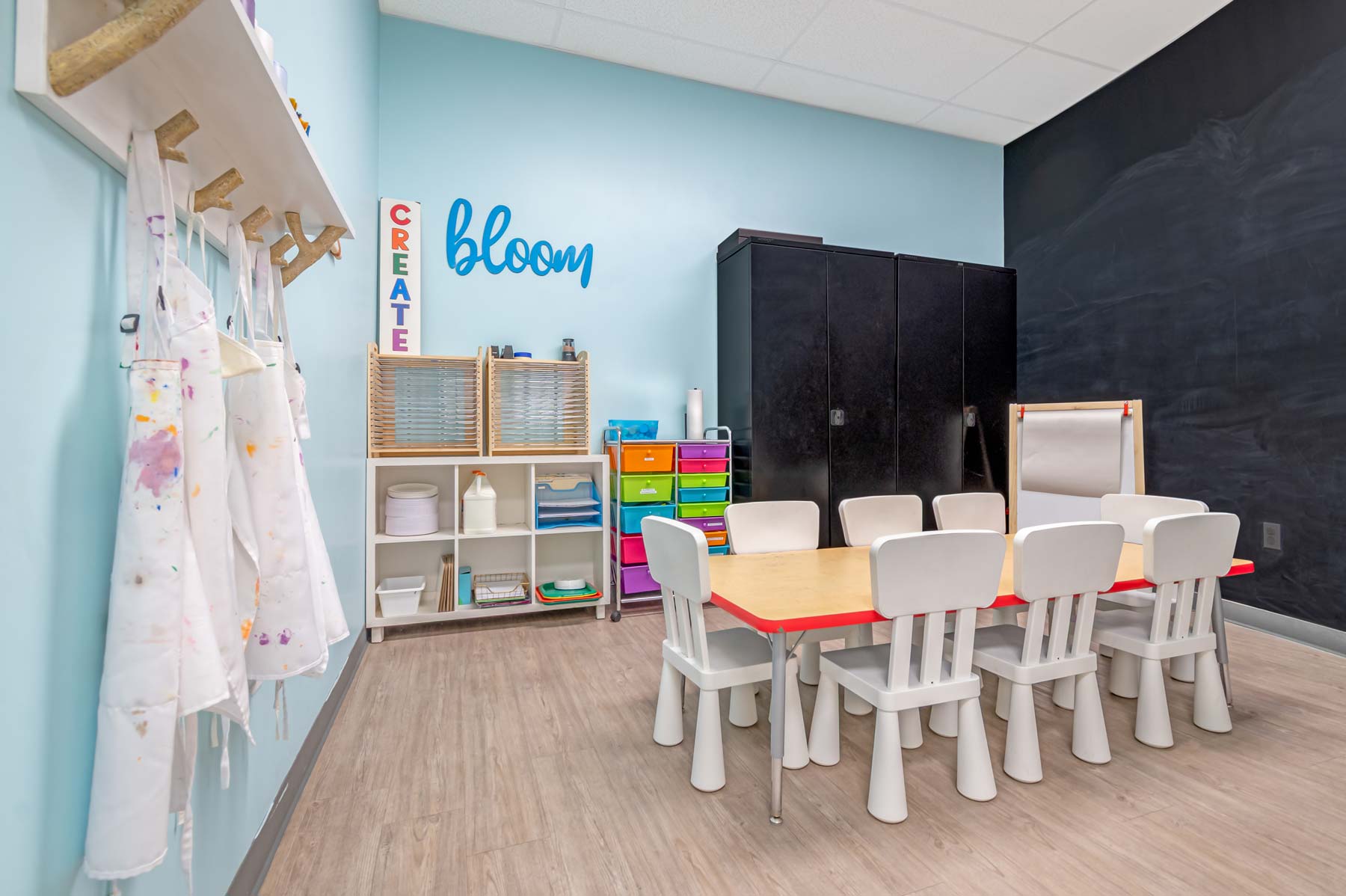
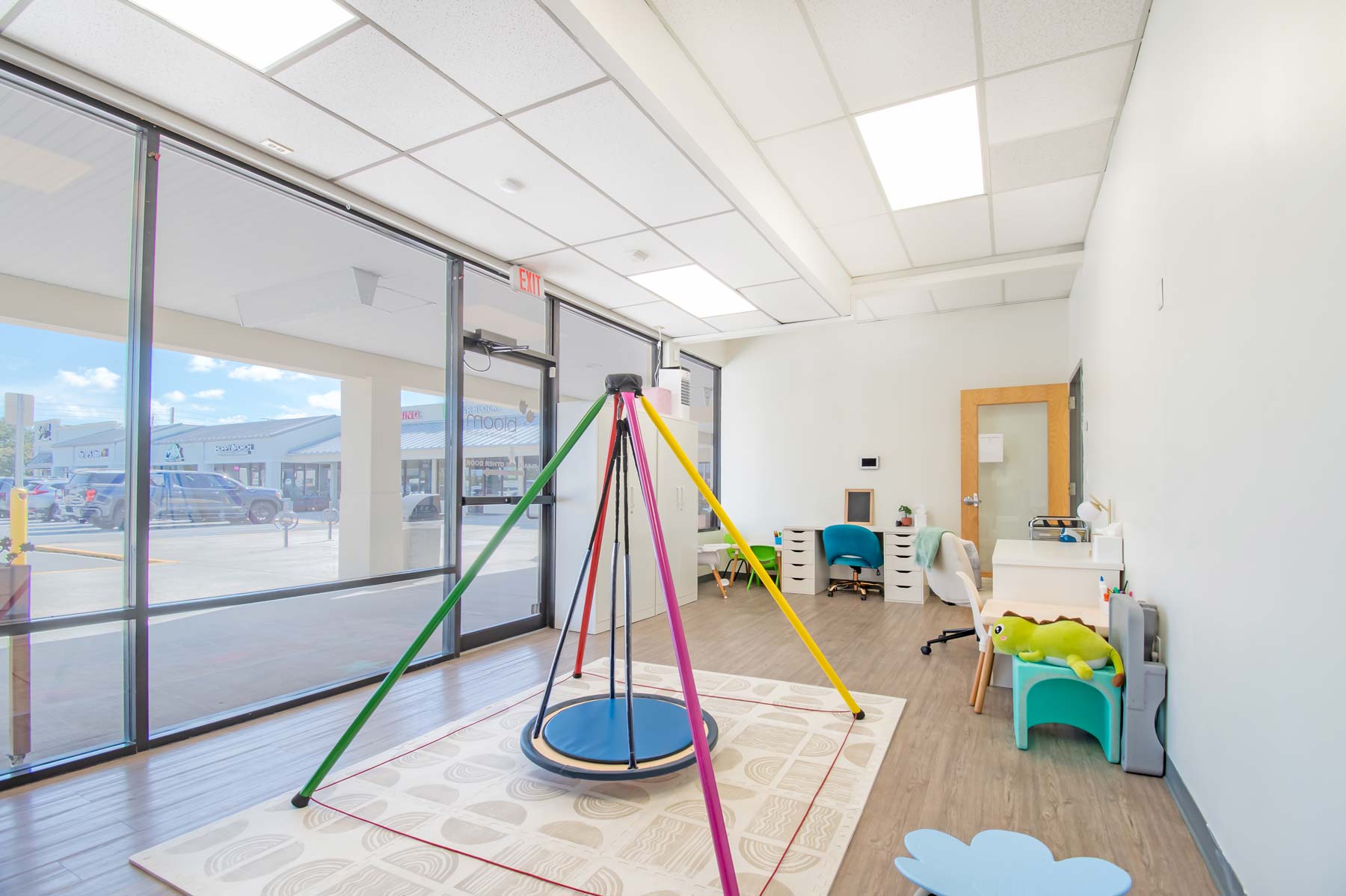
At Bloom Behavioral Solutions in Atlantic Beach, early intervention services are delivered in a natural, play-based environment that supports learning through everyday interaction. These services may include:
Each of these approaches focuses on helping children build foundational skills that support long-term growth.

The Ideal Age to Start Early Intervention
The short answer is simple: the earlier, the better.
Early intervention can begin as early as infancy and is typically most effective when started between birth and age five. During these early years, a child’s brain is developing rapidly. This period of development creates a strong opportunity to build skills related to communication, behavior, and social interaction.
Children do not need a formal diagnosis to begin early intervention. If there are concerns about development, it is appropriate to explore services right away.
Why Early Matters
The first few years of life are critical for brain development. Neural pathways responsible for language, emotional regulation, and motor coordination are forming quickly during this time.
When support is introduced early:
- Children can build communication skills more effectively
- Social interactions become easier to navigate
- Challenging behaviors can be addressed before they become patterns
- Confidence and independence can grow naturally
Waiting can make these areas more difficult to address later. Early intervention helps children build a strong foundation so they are better prepared for preschool, kindergarten, and beyond.

Signs Your Child May Benefit from Early Intervention
Parents are often the first to notice when something feels off. Trusting those instincts is important.
Some common signs that a child may benefit from early intervention include:
Communication Delays
- Limited or no words by 12 to 18 months
- Difficulty following simple directions
- Limited eye contact or lack of response to name
Social and Behavioral Differences
- Limited interest in interacting with others
- Difficulty with transitions or changes in routine
- Frequent frustration or meltdowns
Motor Skill Delays
- Delays in crawling, walking, or coordination
- Difficulty using hands for play or feeding
Feeding Challenges
- Trouble with textures or limited food variety
- Difficulty chewing or swallowing

Is It Ever Too Early?
One of the most common concerns parents have is whether they are overreacting.
In reality, it is very rare to start too early. Early intervention is designed to meet children where they are, whether that means addressing small concerns or providing more structured support.
If a child does not need ongoing services, that will become clear through the evaluation process. If support is beneficial, starting early gives your child more time to grow and develop essential skills.
What Happens During Early Intervention?
At Bloom’s Jacksonville clinic, sessions are designed to feel natural and engaging. Children learn through play, interaction, and structured activities that match their developmental level.
A typical session may include:
- Play-based learning activities
- Communication exercises
- Social interaction with therapists
- Sensory-based activities for regulation
- Parent collaboration and guidance
Bloom also offers structured social development programs such as Super Sprouts, Petit Sprouts early intervention program, and Daffodil Social Club, which help children build peer interaction skills in a supportive setting.
Families are also supported throughout the process. Parents are given tools and strategies they can use at home, creating consistency that reinforces progress.
How Early Intervention Supports Long-Term Success
Early intervention is not just about addressing immediate concerns. It is about setting children up for long-term success.
Children who receive early support often show improvements in:
- Language development
- Social skills
- Emotional regulation
- Independence in daily activities
These improvements can have a lasting impact as children enter school and begin interacting more with peers and teachers.
Early support can also reduce the need for more intensive services later, making it a proactive step that benefits both the child and the family.
Early Intervention in Jacksonville and the Beaches
Families across Northeast Florida can learn more about Bloom’s service areas, including Jacksonville, Atlantic Beach, Jacksonville Beach, Ponte Vedra, and St. Johns County.
The goal is to create meaningful progress in a setting that feels comfortable, positive, and engaging.

When Should You Take the First Step?
If you are asking the question, it may already be time to explore early intervention.
You do not need to wait for a referral or a formal diagnosis to begin learning more. Starting with a conversation can provide clarity and direction.
Contact Bloom Behavioral Solutions to learn more about services and next steps.
Taking the Next Step
Every child develops differently, but support during the early years can make a lasting difference.
Reaching out is the first step toward understanding your child’s needs and creating a path forward that supports their growth.