

Many parents go through a season where mealtimes feel frustrating, unpredictable, or emotionally draining. One day a child happily eats a favorite food, and the next day that same food is pushed away without warning. It is common for parents to wonder whether they are dealing with a normal picky eating phase or whether there may be something deeper going on.
The truth is that some selective eating behaviors are a normal part of development, especially in toddlers and young children. At the same time, there are situations where feeding challenges begin to affect a child’s nutrition, confidence, sensory regulation, family routines, and overall development. When that happens, it may be time to take a closer look.
For families in the Jacksonville area, feeding therapy can provide support, answers, and a path forward. At Bloom Behavioral Solutions, feeding therapy is approached with compassion, patience, and a clear understanding that every child develops differently. The goal is not to force a child through stressful meals. The goal is to help children build trust, comfort, and functional mealtime skills in a supportive environment.
What Is Picky Eating?
Picky eating is a term parents often use to describe a child who is selective about food, resists trying new things, or has a short list of accepted meals and snacks. In many cases, picky eating comes and goes with age and developmental stage. A child may prefer familiar foods, reject certain textures, or go through temporary periods of strong food preferences.
That by itself does not always mean a child needs therapy.
However, when food refusal becomes intense, persistent, or disruptive, it may point to challenges that deserve further evaluation. Some children are not just being “picky.” They may be experiencing sensory sensitivities, oral motor difficulties, anxiety around meals, communication challenges, or developmental needs that make eating much harder than it appears from the outside.
This is one reason it can be so helpful for families to work with a team that understands the broader developmental picture. Feeding concerns may overlap with support areas such as occupational therapy, applied behavior analysis, or speech therapy, depending on the child’s needs.

When Picky Eating May Be Something More
Parents know their children better than anyone. If something feels off, that instinct matters. There are several signs that a child’s feeding difficulties may go beyond typical picky eating.
You may want to consider feeding therapy if your child:
- Eats a very limited number of foods and struggles to expand beyond them
- Has strong reactions to textures, smells, temperatures, or the appearance of food
- Gags, coughs, or has difficulty chewing certain foods
- Avoids entire food groups
- Becomes distressed at mealtimes
- Refuses to sit at the table or participate in family meals
- Has difficulty transitioning from purees to solids or from one texture to another
- Shows signs of delayed self-feeding skills
- Experiences mealtimes as a daily struggle that affects the whole family
Any one of these signs may be worth discussing, especially if the pattern is ongoing or beginning to affect daily life. Parents are often told to “just wait it out,” but the earlier a child’s needs are understood, the more opportunity there is to support positive progress.

Why Feeding Challenges Deserve Early Attention
Mealtime difficulties do not only affect nutrition. They can affect family stress, social experiences, school readiness, independence, and a child’s comfort with new environments.
Children learn a great deal through daily routines, and mealtimes are full of developmental opportunities. Eating can involve sensory processing, motor planning, communication, flexibility, emotional regulation, and social interaction. When one or more of those areas feels hard for a child, feeding challenges can become a bigger part of life than many people realize.
That is why early support matters. Addressing feeding concerns early can help children build confidence, reduce stress around meals, and develop skills that support long-term growth.
At Bloom Behavioral Solutions, early support is part of a larger commitment to helping children thrive in natural, child-centered ways. Depending on age and need, families may also benefit from programs such as Petit Sprouts Early Intensive Intervention, which provides structured support during key developmental windows.

What Causes Feeding Difficulties?
Feeding challenges can happen for many reasons, and often there is more than one factor involved. A child may have sensory sensitivities that make certain textures feel overwhelming. Another child may have oral motor weakness or coordination issues that make chewing and swallowing more difficult. Some children may have had negative experiences around food, which can create anxiety or resistance during meals.
In other cases, feeding issues may be connected to communication differences, developmental delays, or broader behavioral patterns. This is why a thoughtful, individualized approach matters so much. Instead of assuming a child is just stubborn or difficult, a quality feeding therapy program looks at the why behind the behavior.
That kind of perspective is important because it helps parents feel understood too. Most families are doing the best they can. They do not need judgment. They need guidance, practical support, and a team that can help make daily life easier.

What Feeding Therapy Looks Like
For many parents, the term feeding therapy can sound intimidating at first. In reality, effective feeding therapy is typically supportive, gradual, and relationship-based.
At its core, feeding therapy helps children become more comfortable with food, more capable at mealtime, and more confident in the skills they need to eat safely and successfully. Depending on the child, therapy may focus on tolerating food nearby, engaging with food through play, improving oral motor skills, expanding accepted foods, or building routines that reduce stress and improve participation.
The pace matters. Trust matters. A child who feels pressured or overwhelmed is less likely to make meaningful progress. A child who feels safe, understood, and supported is far more likely to build positive associations with eating over time.
That approach fits well within Bloom’s family-centered model. Children often benefit most when support is integrated into a broader understanding of their development, communication, sensory profile, and social engagement.

How Feeding Therapy Connects to Other Areas of Development
Feeding does not exist in a vacuum. A child’s mealtime success is often connected to many other developmental areas.
For example, a child who has sensory processing challenges may also benefit from occupational therapy. A child who struggles to communicate wants, needs, or discomfort around food may also benefit from speech therapy. A child who has difficulty with routines, transitions, or behavior related to meals may also benefit from ABA services.
That is one of the strengths of a collaborative setting. Families are not left trying to figure out each piece in isolation. They can work with a team that sees how feeding may relate to other aspects of development and daily function.
For some children, social opportunities can also support growth. Programs like Super Sprouts Social Group and Daffodil Social Club may help reinforce communication, social participation, and comfort in group settings, which can also influence confidence and flexibility in everyday routines.
What Parents Can Do if They Are Unsure
If you are on the fence, that is completely understandable. Many loving, attentive parents ask themselves whether they are overreacting or whether they should wait a little longer.
A better question may be this: would it help to learn more now, instead of waiting until mealtimes become even more stressful?
You do not need to have all the answers before taking the next step. Curiosity is enough. Concern is enough. If you have noticed persistent struggles with food, texture, chewing, variety, or mealtime participation, it may be worth exploring what support could look like.
One gentle way to begin is by learning more about the environment and meeting the team. Curious parents are encouraged to request a tour and get a feel for Bloom’s approach in person.
A Supportive Next Step for Jacksonville Families
There is no prize for waiting until things feel overwhelming. There is real value in getting trusted guidance early, especially when a child’s feeding needs may be affecting daily life at home.
Whether your child is showing signs of persistent picky eating, sensory-related food avoidance, or broader mealtime challenges, support is available. Bloom Behavioral Solutions offers a warm, thoughtful approach that respects the child, supports the family, and looks at development as a whole.
Parents deserve more than generic advice. They deserve clear direction, compassionate care, and a plan that makes sense for their child.
If you are ready to learn more about support options, you can request services here.
Feeding challenges can feel isolating, but families do not have to navigate them alone. With the right support, mealtimes can become more peaceful, progress can become more possible, and children can build skills that serve them well far beyond the table.
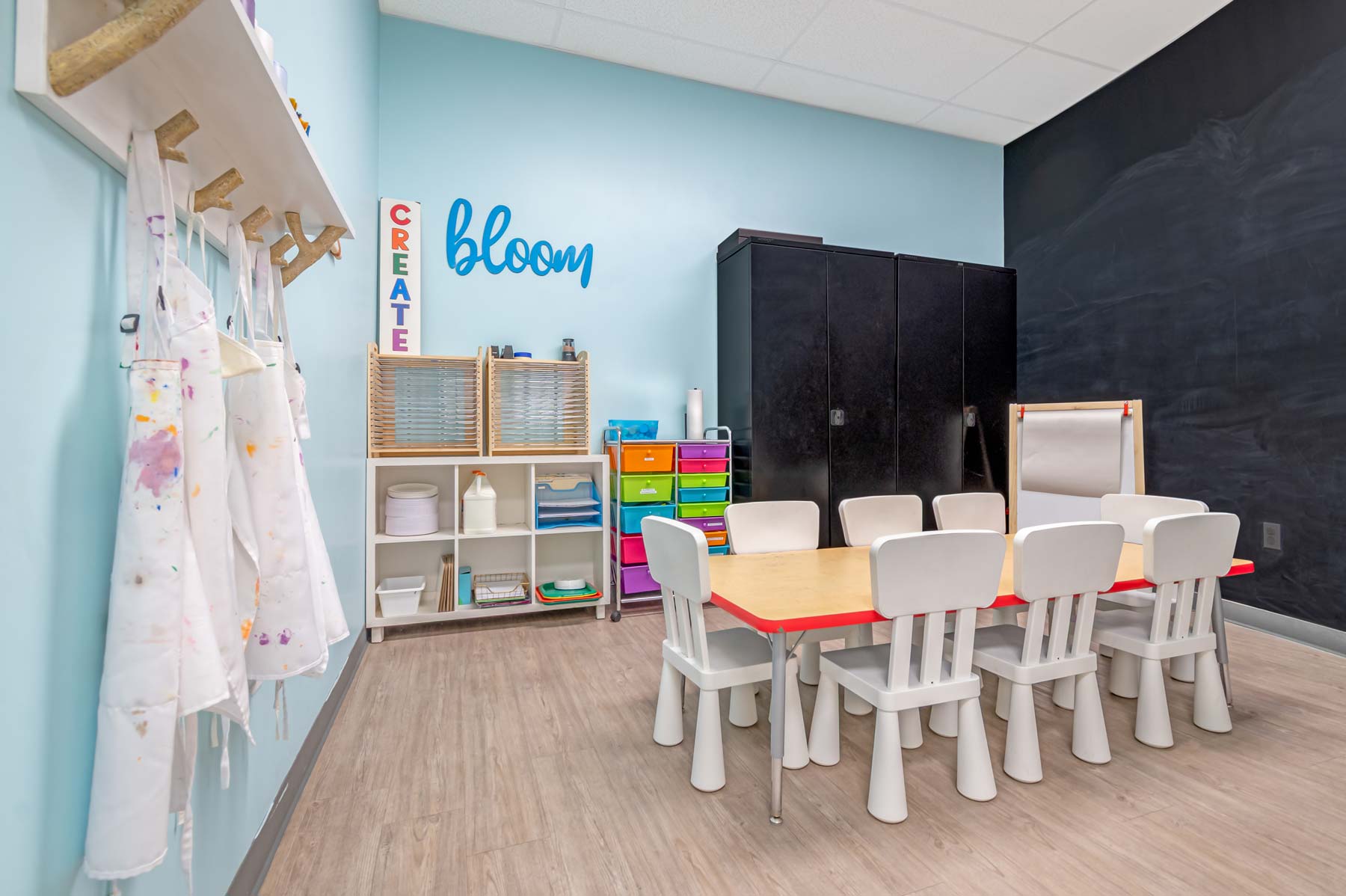
If you’re considering early intervention services for your child, it’s completely normal to wonder what therapy sessions actually look like. You may be picturing a child sitting at a table doing flashcards or being asked to perform tasks repeatedly.
But for many young children, especially those needing early autism support, speech therapy, occupational therapy, and developmental guidance, some of the most meaningful progress happens in a natural, play-based environment.
At Bloom Behavioral Solutions in Atlantic Beach, FL, early intervention is designed around how young children truly learn: through connection, movement, curiosity, and repeated opportunities to practice skills in ways that feel safe and motivating. Families visit Bloom from across Jacksonville, the Beaches, Ponte Vedra, St. Johns County, Baymeadows/Southside, and surrounding Northeast Florida because early intervention is time-sensitive—and the right approach matters.
Below, we’ll walk you through what you can expect from a natural, play-based early intervention session, how goals are supported, and why this style of therapy can be especially powerful for young children in their earliest developmental years.
What “Natural, Play-Based” Early Intervention Really Means
Early intervention services are designed for infants and young children who may need support with:
- communication or speech development
- social interaction and play skills
- feeding and sensory needs
- motor development and coordination
- emotional regulation
- early learning readiness
- behavioral challenges that interfere with development
A natural, play-based approach means therapy isn’t separated from real life. Instead, the therapist works within the ways your child already engages with the world—through play, exploration, routines, and relationships.
Rather than requiring a child to “sit still and comply,” the therapist meets your child where they are and then builds skill development from there.
This approach is especially beneficial for early intervention because the most important outcomes at this stage include:
- connecting with others
- learning to communicate wants and needs
- tolerating transitions and new situations
- building attention, flexibility, and emotional safety
- increasing independence through daily successes
These are skills children learn best through real experiences, not only structured drills.
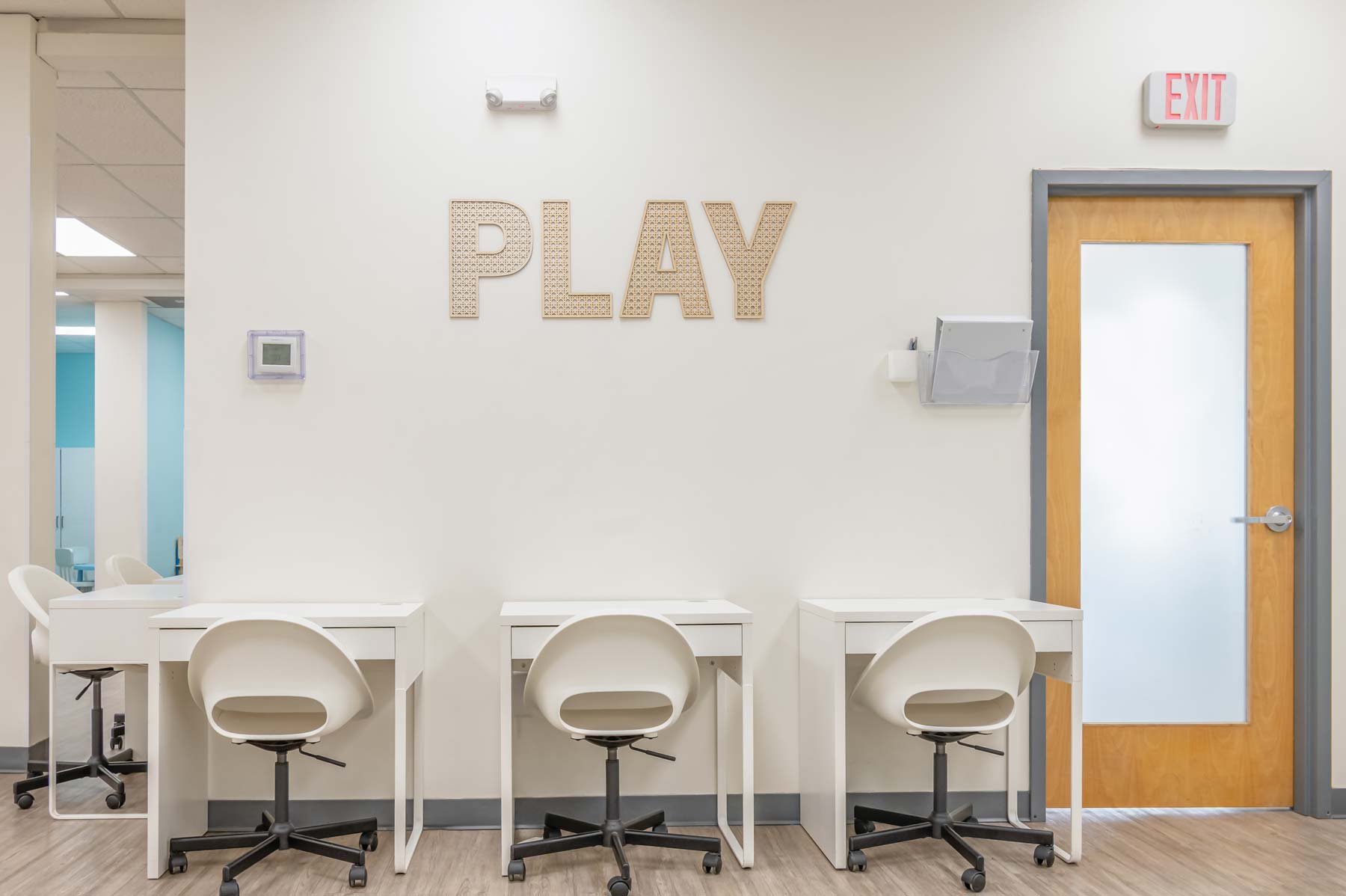
What Happens During an Early Intervention Session?
Every child is different, and sessions are always individualized. But in general, an early intervention session at Bloom feels less like “therapy” and more like a highly intentional play experience led by professionals who understand child development deeply.
1) The First Few Minutes: Connection + Regulation
Early intervention starts with trust. Many children need time to settle in, observe, and feel safe.
Therapists may begin with:
- a warm greeting
- a predictable routine
- sensory-friendly warm-up play
- movement activities
- calming strategies (depending on the child)
This isn’t wasted time—it’s foundational. A regulated child learns better, communicates more, and experiences fewer shutdowns and meltdowns.
2) Following the Child’s Lead (With Purpose)
Play-based intervention doesn’t mean “anything goes.” Therapists continuously observe and guide—but in a way that keeps your child engaged.
A session may begin with whatever your child naturally gravitates to:
- trains or cars
- pretend play (kitchen sets, dolls, animals)
- bubbles
- puzzles
- sensory bins
- books
- climbing, jumping, swinging
- music toys and cause-and-effect toys
From there, the therapist turns that interest into therapeutic opportunity.
Example: If your child loves bubbles, the therapist might work on:
- requesting (“bubbles,” “more,” “again”)
- eye contact and shared attention
- imitation (clapping, pointing, “pop!”)
- turn taking (“my turn / your turn”)
- waiting tolerance (“ready… set… go!”)
To an outside observer, it looks like bubbles. But underneath, your child is practicing communication, social engagement, motor planning, and emotional control.
3) Skill-Building Without Breaking the Flow
Bloom’s approach emphasizes keeping therapy natural and connected. Therapists don’t constantly interrupt play to test a child. Instead, they create moments where skills are needed and support your child through them.
Examples include:
- placing a favorite toy in a container that requires requesting help
- pausing before giving an item to encourage communication
- creating playful obstacles that motivate problem-solving
- building predictable routines that teach transition skills
- rotating activities to build flexibility
The goal is always to support real skill development while keeping the child regulated and engaged.

How Therapists Set Goals Without Making Sessions Feel Clinical
Many parents ask: “If it’s play-based, how do you make sure my child is improving?”
At Bloom, early intervention sessions are built around individualized goals that may include:
- expressive language (words, signs, AAC)
- receptive language (following directions, understanding routines)
- joint attention (sharing focus with another person)
- play development (functional play to pretend play)
- early social skills (interaction, turn taking, peer readiness)
- reducing challenging behavior by teaching functional communication
- sensory integration and regulation strategies
- feeding and oral motor skills
- fine motor development and independence
The difference is how these goals are practiced: they’re embedded into play and natural routines so skills generalize into everyday life.

What a Session Might Look Like Step-by-Step
Every program is different, but here’s an example of what a play-based early intervention session may look like.
Sample Session Outline (60–90 minutes)
- Arrival + check-in
Warm-up with familiar items, connection, and a simple transition routine. - Sensory-motor activity
Swinging, jumping, scooter board, climbing to support regulation and attention. - Communication-based play
Bubbles, pretend play, toy animals, or play routines that encourage interaction and requesting. - Short structured learning moment
Puzzle, matching, simple turn-taking game woven in naturally. - Social play + flexibility practice
Rotating activities and practicing transitions with support strategies. - Parent coaching + summary
What worked today, progress notes, and home strategies to support carryover.
Many families are surprised by how much progress can come from sessions that feel joyful and natural.

Why Natural, Play-Based Early Intervention Works So Well
Children Learn Best When They Feel Safe
When therapy feels stressful or overly demanding, children may shut down or resist. When therapy feels safe and motivating, engagement increases, and engagement drives progress.
- more skill repetition
- longer attention
- more communication attempts
- faster learning
Motivation Builds Communication Faster
Play creates high motivation. When a child wants something, communication becomes meaningful and functional. That’s why play-based sessions often support big gains in requesting, imitation, and new word development.
Skills Generalize Better Into Real Life
When children practice skills while playing, moving, transitioning, and interacting, those skills transfer more naturally into everyday routines: home, preschool, community outings, and peer play.

Families Come From All Over Jacksonville for Early Intervention
Bloom Behavioral Solutions is located in Atlantic Beach, FL, and families regularly visit from:
- Jacksonville (all areas)
- Jacksonville Beach / Neptune Beach
- Ponte Vedra / Nocatee
- St. Johns County
- Southside / Baymeadows
- Mandarin
- San Marco
- Riverside / Avondale
- Arlington
- Fernandina Beach / Nassau County
- Clay County
If you’re outside the Beaches area, it’s fair to wonder if the drive is worth it. For many families, it is, because early intervention is time-sensitive, and the right environment supports faster progress and stronger long-term outcomes.
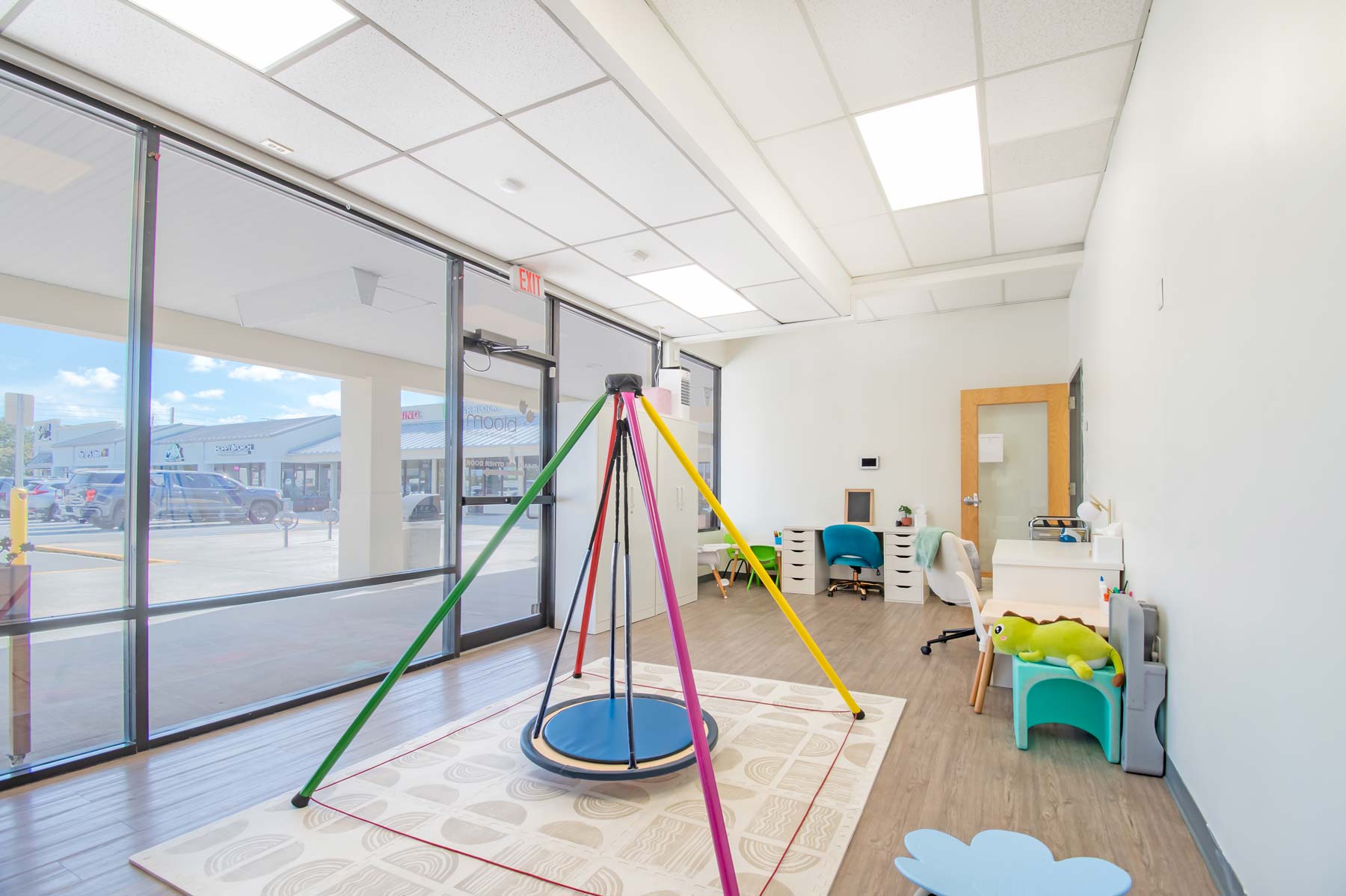
What Parents Can Expect From Bloom
Early intervention should support the entire family. Parents shouldn’t leave feeling overwhelmed or blamed—they should leave with clarity and direction.
At Bloom, families can expect:
- a plan tailored to your child
- measurable goals without a rigid, one-size-fits-all approach
- a supportive team who adjusts to your child’s nervous system and communication style
- an emphasis on real-world progress (not perfection)
- parent guidance so progress continues at home
Because progress doesn’t only happen in-session. It happens in the day-to-day moments when families feel confident supporting development naturally.

Next Step: Early Intervention Support in Jacksonville and Northeast Florida
If you’re in Jacksonville or Northeast Florida and you’re noticing signs your child may benefit from early intervention, the best time to act is now.
Whether you’re navigating a new autism diagnosis, waiting on evaluations, or simply noticing developmental delays, early support can make a lasting impact.
Bloom Behavioral Solutions in Atlantic Beach provides early intervention support in a natural, play-based environment designed to help young children build foundational skills through connection, communication, and meaningful play.
Ready to get started? Fill our our brief form to Request Services now.
FAQ: Natural, Play-Based Early Intervention
Is play-based therapy “serious” enough?
Yes. It is one of the most effective and developmentally appropriate approaches for young children. Play-based therapy is structured, goal-driven, and measurable—it simply doesn’t feel clinical or forced.
Will my child still learn structure?
Absolutely. Structure is built into routines, transitions, and predictable session flow—without expecting compliance before the child is ready.
Do parents participate?
Often, yes. Parent support and coaching helps skills generalize into home routines, which is a major key to early intervention success.