Early Intervention in a Natural, Play-Based Environment: What Sessions Look Like
If you’re considering early intervention services for your child, it’s completely normal to wonder what therapy sessions actually look like. You may be picturing a child sitting at a table doing flashcards or being asked to perform tasks repeatedly.
But for many young children, especially those needing early autism support, speech therapy, occupational therapy, and developmental guidance, some of the most meaningful progress happens in a natural, play-based environment.
At Bloom Behavioral Solutions in Atlantic Beach, FL, early intervention is designed around how young children truly learn: through connection, movement, curiosity, and repeated opportunities to practice skills in ways that feel safe and motivating. Families visit Bloom from across Jacksonville, the Beaches, Ponte Vedra, St. Johns County, Baymeadows/Southside, and surrounding Northeast Florida because early intervention is time-sensitive—and the right approach matters.
Below, we’ll walk you through what you can expect from a natural, play-based early intervention session, how goals are supported, and why this style of therapy can be especially powerful for young children in their earliest developmental years.
What “Natural, Play-Based” Early Intervention Really Means
Early intervention services are designed for infants and young children who may need support with:
- communication or speech development
- social interaction and play skills
- feeding and sensory needs
- motor development and coordination
- emotional regulation
- early learning readiness
- behavioral challenges that interfere with development
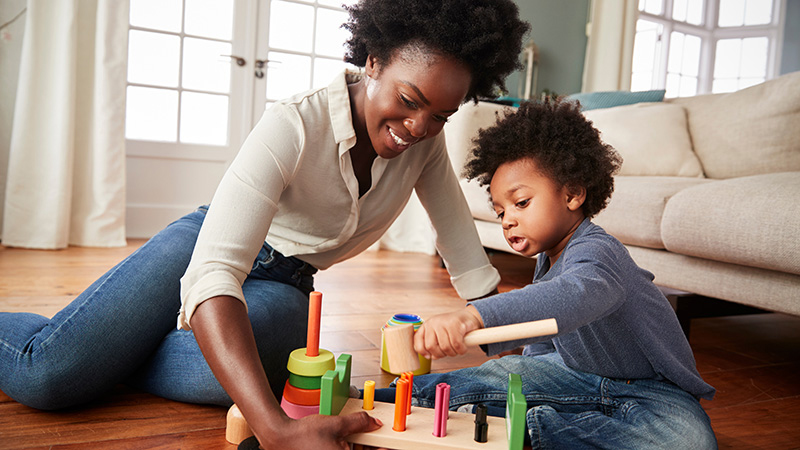
A natural, play-based approach means therapy isn’t separated from real life. Instead, the therapist works within the ways your child already engages with the world—through play, exploration, routines, and relationships.
Rather than requiring a child to “sit still and comply,” the therapist meets your child where they are and then builds skill development from there.
This approach is especially beneficial for early intervention because the most important outcomes at this stage include:
- connecting with others
- learning to communicate wants and needs
- tolerating transitions and new situations
- building attention, flexibility, and emotional safety
- increasing independence through daily successes
These are skills children learn best through real experiences, not only structured drills.
What Happens During an Early Intervention Session?
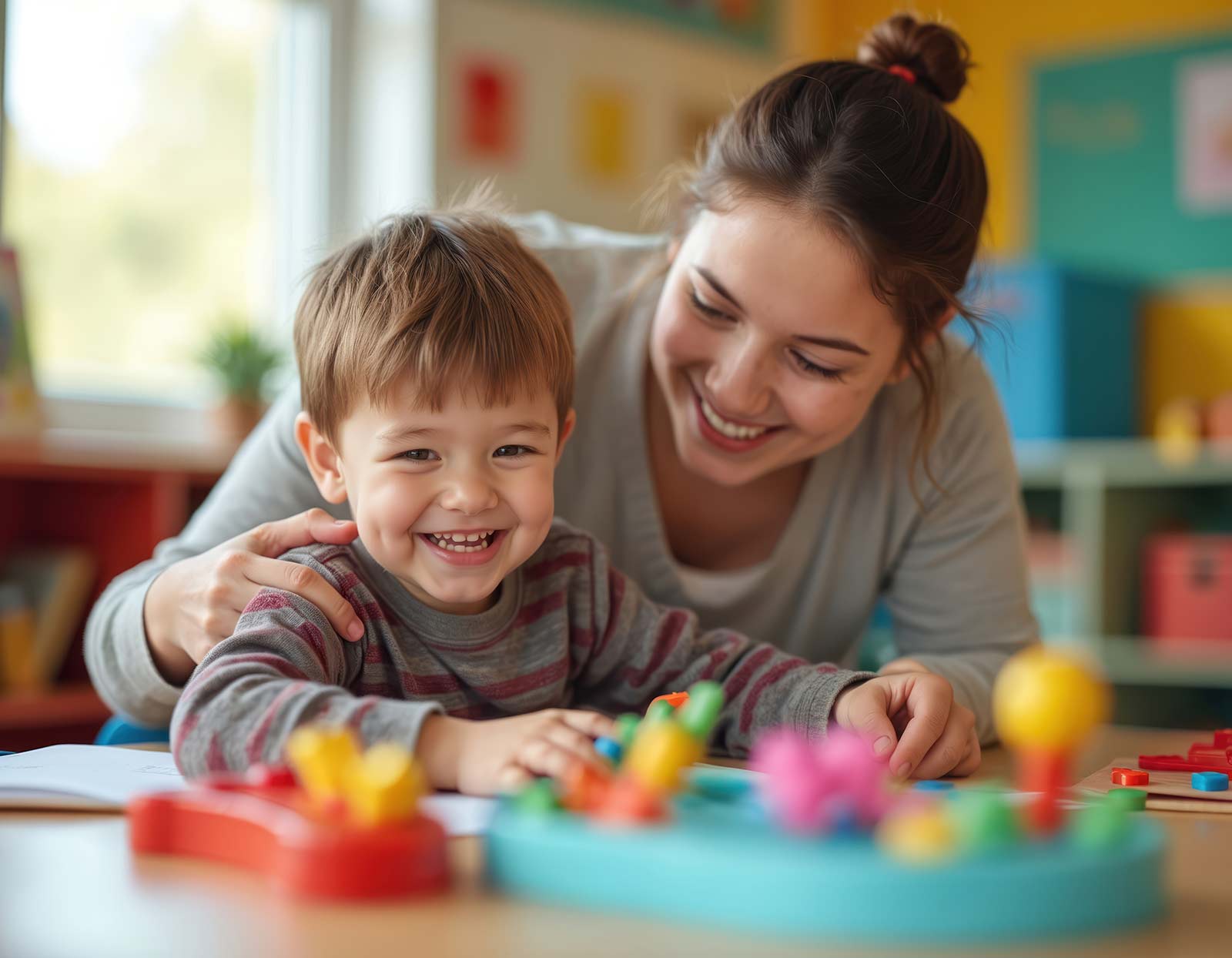
Every child is different, and sessions are always individualized. But in general, an early intervention session at Bloom feels less like “therapy” and more like a highly intentional play experience led by professionals who understand child development deeply.
1) The First Few Minutes: Connection + Regulation
Early intervention starts with trust. Many children need time to settle in, observe, and feel safe.
Therapists may begin with:
- a warm greeting
- a predictable routine
- sensory-friendly warm-up play
- movement activities
- calming strategies (depending on the child)
This isn’t wasted time—it’s foundational. A regulated child learns better, communicates more, and experiences fewer shutdowns and meltdowns.
2) Following the Child’s Lead (With Purpose)
Play-based intervention doesn’t mean “anything goes.” Therapists continuously observe and guide—but in a way that keeps your child engaged.
A session may begin with whatever your child naturally gravitates to:
- trains or cars
- pretend play (kitchen sets, dolls, animals)
- bubbles
- puzzles
- sensory bins
- books
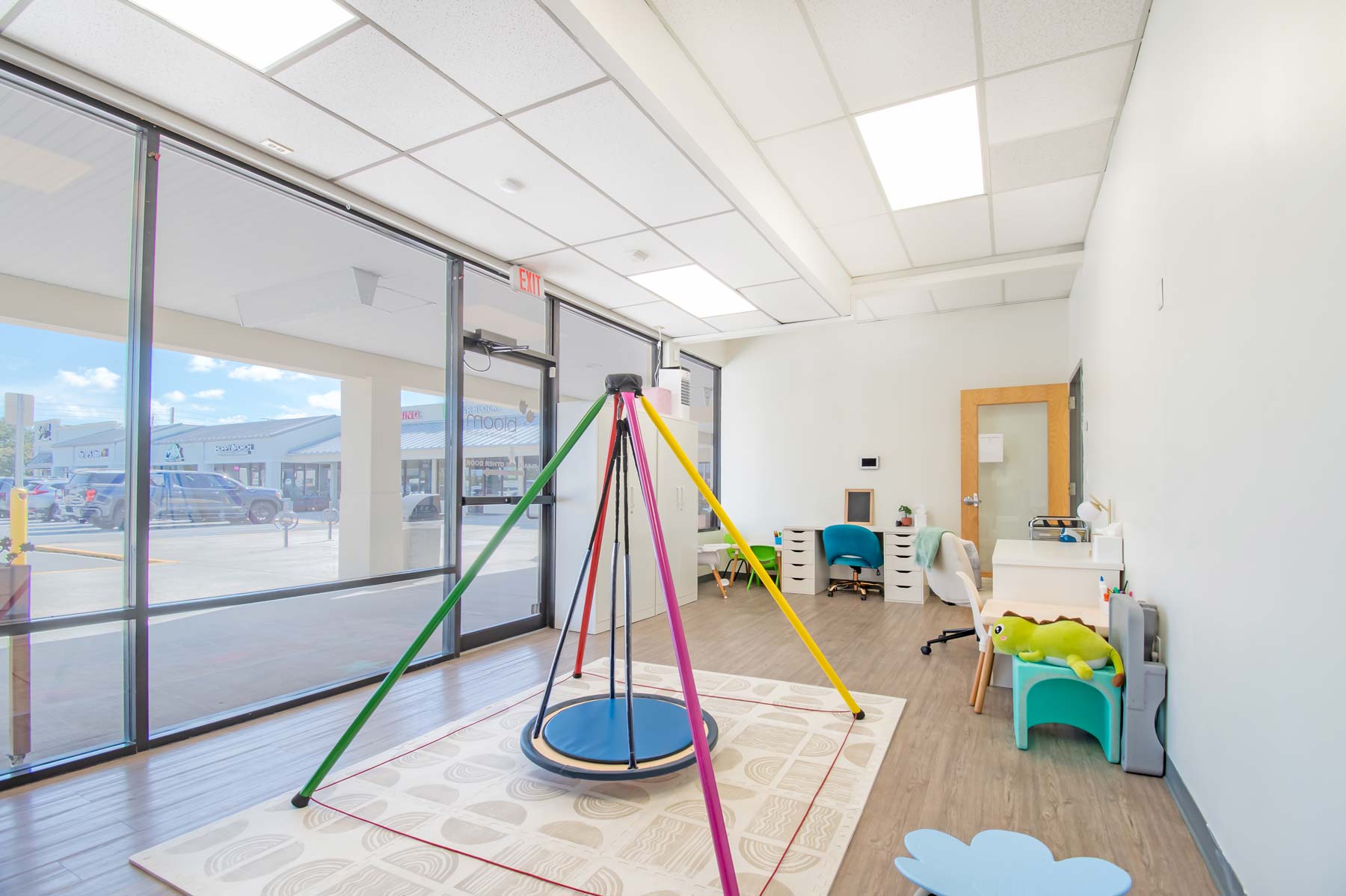
- climbing, jumping, swinging
- music toys and cause-and-effect toys
From there, the therapist turns that interest into therapeutic opportunity.
Example: If your child loves bubbles, the therapist might work on:
- requesting (“bubbles,” “more,” “again”)
- eye contact and shared attention
- imitation (clapping, pointing, “pop!”)
- turn taking (“my turn / your turn”)
- waiting tolerance (“ready… set… go!”)
To an outside observer, it looks like bubbles. But underneath, your child is practicing communication, social engagement, motor planning, and emotional control.
3) Skill-Building Without Breaking the Flow
Bloom’s approach emphasizes keeping therapy natural and connected. Therapists don’t constantly interrupt play to test a child. Instead, they create moments where skills are needed and support your child through them.
Examples include:
- placing a favorite toy in a container that requires requesting help
- pausing before giving an item to encourage communication
- creating playful obstacles that motivate problem-solving
- building predictable routines that teach transition skills
- rotating activities to build flexibility
The goal is always to support real skill development while keeping the child regulated and engaged.
How Therapists Set Goals Without Making Sessions Feel Clinical
Many parents ask: “If it’s play-based, how do you make sure my child is improving?”
At Bloom, early intervention sessions are built around individualized goals that may include:
- expressive language (words, signs, AAC)
- receptive language (following directions, understanding routines)
- joint attention (sharing focus with another person)
- play development (functional play to pretend play)
- early social skills (interaction, turn taking, peer readiness)
- reducing challenging behavior by teaching functional communication
- sensory integration and regulation strategies
- feeding and oral motor skills
- fine motor development and independence
The difference is how these goals are practiced: they’re embedded into play and natural routines so skills generalize into everyday life.

What a Session Might Look Like Step-by-Step
Every program is different, but here’s an example of what a play-based early intervention session may look like.
Sample Session Outline (60–90 minutes)
- Arrival + check-in
Warm-up with familiar items, connection, and a simple transition routine. - Sensory-motor activity
Swinging, jumping, scooter board, climbing to support regulation and attention. - Communication-based play
Bubbles, pretend play, toy animals, or play routines that encourage interaction and requesting. - Short structured learning moment
Puzzle, matching, simple turn-taking game woven in naturally. - Social play + flexibility practice
Rotating activities and practicing transitions with support strategies. - Parent coaching + summary
What worked today, progress notes, and home strategies to support carryover.
Many families are surprised by how much progress can come from sessions that feel joyful and natural.
Why Natural, Play-Based Early Intervention Works So Well
Children Learn Best When They Feel Safe
When therapy feels stressful or overly demanding, children may shut down or resist. When therapy feels safe and motivating, engagement increases, and engagement drives progress.
- more skill repetition
- longer attention
- more communication attempts
- faster learning
Motivation Builds Communication Faster
Play creates high motivation. When a child wants something, communication becomes meaningful and functional. That’s why play-based sessions often support big gains in requesting, imitation, and new word development.
Skills Generalize Better Into Real Life
When children practice skills while playing, moving, transitioning, and interacting, those skills transfer more naturally into everyday routines: home, preschool, community outings, and peer play.
Families Come From All Over Jacksonville for Early Intervention
Bloom Behavioral Solutions is located in Atlantic Beach, FL, and families regularly visit from:
- Jacksonville (all areas)
- Jacksonville Beach / Neptune Beach
- Ponte Vedra / Nocatee
- St. Johns County
- Southside / Baymeadows
- Mandarin
- San Marco
- Riverside / Avondale
- Arlington
- Fernandina Beach / Nassau County
- Clay County
If you’re outside the Beaches area, it’s fair to wonder if the drive is worth it. For many families, it is, because early intervention is time-sensitive, and the right environment supports faster progress and stronger long-term outcomes.
What Parents Can Expect From Bloom
Early intervention should support the entire family. Parents shouldn’t leave feeling overwhelmed or blamed—they should leave with clarity and direction.
At Bloom, families can expect:
- a plan tailored to your child
- measurable goals without a rigid, one-size-fits-all approach
- a supportive team who adjusts to your child’s nervous system and communication style
- an emphasis on real-world progress (not perfection)
- parent guidance so progress continues at home
Because progress doesn’t only happen in-session. It happens in the day-to-day moments when families feel confident supporting development naturally.
Next Step: Early Intervention Support in Jacksonville and Northeast Florida
If you’re in Jacksonville or Northeast Florida and you’re noticing signs your child may benefit from early intervention, the best time to act is now.
Whether you’re navigating a new autism diagnosis, waiting on evaluations, or simply noticing developmental delays, early support can make a lasting impact.
Bloom Behavioral Solutions in Atlantic Beach provides early intervention support in a natural, play-based environment designed to help young children build foundational skills through connection, communication, and meaningful play.
Ready to get started? Fill our our brief form to Request Services now.
FAQ: Natural, Play-Based Early Intervention
Is play-based therapy “serious” enough?
Yes. It is one of the most effective and developmentally appropriate approaches for young children. Play-based therapy is structured, goal-driven, and measurable—it simply doesn’t feel clinical or forced.
Will my child still learn structure?
Absolutely. Structure is built into routines, transitions, and predictable session flow—without expecting compliance before the child is ready.
Do parents participate?
Often, yes. Parent support and coaching helps skills generalize into home routines, which is a major key to early intervention success.